

If you ever find yourself wandering through Sri Lanka,Anuradhapura is a place that quietly seeps into your soul. The moment you step into this ancient city,there’s a calmness that wraps around you,like a gentle breeze carrying whispers from centuries past. The sprawling ruins,with their towering stupas and weathered stone carvings,aren’t just relics—they’re stories etched in time,inviting you to slow down and listen. As you walk beneath the shade of massive banyan trees,the air hums softly with the distant chants of monks,blending with the earthy scent of damp earth and blooming frangipani flowers. What’s truly captivating about Anuradhapura is how alive history feels here. You can almost hear the footsteps of pilgrims who’ve come for thousands of years,their devotion palpable in the serene atmosphere. The city pulses with a quiet spirituality,yet it’s not heavy or overwhelming—it’s warm,welcoming,and deeply human. Local vendors offer sweet,freshly squeezed king coconut water that tastes like sunshine,and nearby markets buzz with the chatter of friendly faces selling spices and handmade crafts. Visiting Anuradhapura isn’t just about sightseeing; it’s about feeling connected to something much bigger. Whether you’re cycling past ancient reservoirs shimmering under the sun or pausing to admire the intricate stonework on a centuries-old temple,there’s a sense of wonder that stays with you long after you leave. It’s a place where history and everyday life blend seamlessly,inviting you to be part of its ongoing story.
 We are reviewing this city information
The information on this page is currently being reviewed by Tripkliq and should be used as a guide only


Eng word: Hello
Eng pronunciation: Hello
Local language: හෙලෝ
Eng word: Goodbye
Eng pronunciation: Goodbye
Local language: ගුඩ්බයි
Eng word: Thank you
Eng pronunciation: Sthoo-thi-yi
Local language: ස්තුතියි
Eng word: How much
Eng pronunciation: Ki-ya-la-da
Local language: කියලද
Eng word: Toilet
Eng pronunciation: Vae-si-ki-li-ya
Local language: වැසිකිළිය
Eng word: Help me
Eng pronunciation: Ma-ta oo-da-vu ka-ran-na
Local language: මට උදව් කරන්න
Eng word: Yes
Eng pronunciation: Ow
Local language: ඔව්
Eng word: No
Eng pronunciation: Nae-hae
Local language: නැහැ
Eng word: Excuse me
Eng pronunciation: Ma-ta sa-maa-ven-na
Local language: මට සමාවෙන්න
Anuradhapura served as the capital of Sri Lanka for over 1,300 years, from the 4th century BCE to the 11th century CE, making it one of the oldest continuously inhabited cities in the world.
The Jaya Sri Maha Bodhi tree in Anuradhapura is a sapling from the original Bodhi tree under which Buddha attained enlightenment. It was brought to Sri Lanka in the 3rd century BCE and is one of the oldest living trees with a known planting date.
The Ruwanwelisaya is a magnificent stupa built by King Dutugemunu in 140 BCE. It is one of the world's tallest ancient monuments and a significant pilgrimage site for Buddhists.
Founded in the 2nd century BCE, the Abhayagiri Monastery was one of the largest and most influential monasteries in ancient Sri Lanka, housing thousands of monks and serving as a center for Buddhist learning.
The Jetavanaramaya is one of the tallest stupas in the ancient world, originally standing at 122 meters. Built by King Mahasena in the 3rd century CE, it remains a marvel of ancient engineering.
The Isurumuniya Temple, dating back to the 3rd century BCE, is famous for its rock carvings, including the 'Isurumuniya Lovers,' a beautiful depiction of a couple carved into the rock.
The Thuparamaya Dagoba is the oldest stupa in Sri Lanka, built by King Devanampiya Tissa in the 3rd century BCE. It is believed to enshrine the right collarbone of the Buddha.
The Kuttam Pokuna, or Twin Ponds, are ancient bathing tanks built in the 6th century CE. They are an excellent example of the advanced hydraulic engineering skills of ancient Sri Lankans.
Mihintale is a mountain peak near Anuradhapura, considered the cradle of Buddhism in Sri Lanka. It is where the Buddhist monk Mahinda, son of Emperor Ashoka, met King Devanampiya Tissa and introduced Buddhism to the island.


 TrainWhile there is no direct train service from the airport to Anuradhapura, you can take a train from the nearby town of Kurunegala. This option is more time-consuming but offers a scenic journey through the Sri Lankan countryside.
 TaxiTaking a taxi is the most convenient and quickest way to get from the airport to the main area in Anuradhapura. Taxis are readily available outside the airport and can take you directly to your destination.Ride ShareUsing a ride-sharing service like Uber or PickMe is another convenient option for getting to the main area from the airport. Simply book a ride through the app and wait for your driver to pick you up.Airport Shuttle BusThe airport shuttle bus is a budget-friendly option for traveling from the airport to the main area in Anuradhapura. The bus makes stops at various locations in the city, so be prepared for a longer travel time.


In Anuradhapura, the most common Power Adaptor is Type D, Type G.







 Airport luggage storage service available for a fee
 Airport luggage storage service available for a fee
 Price not specified
 Opening hours: for a feeLockers available at the railway station for a feeLocation not specifiedPrice not specifiedOpening hours: at the railway station for a fee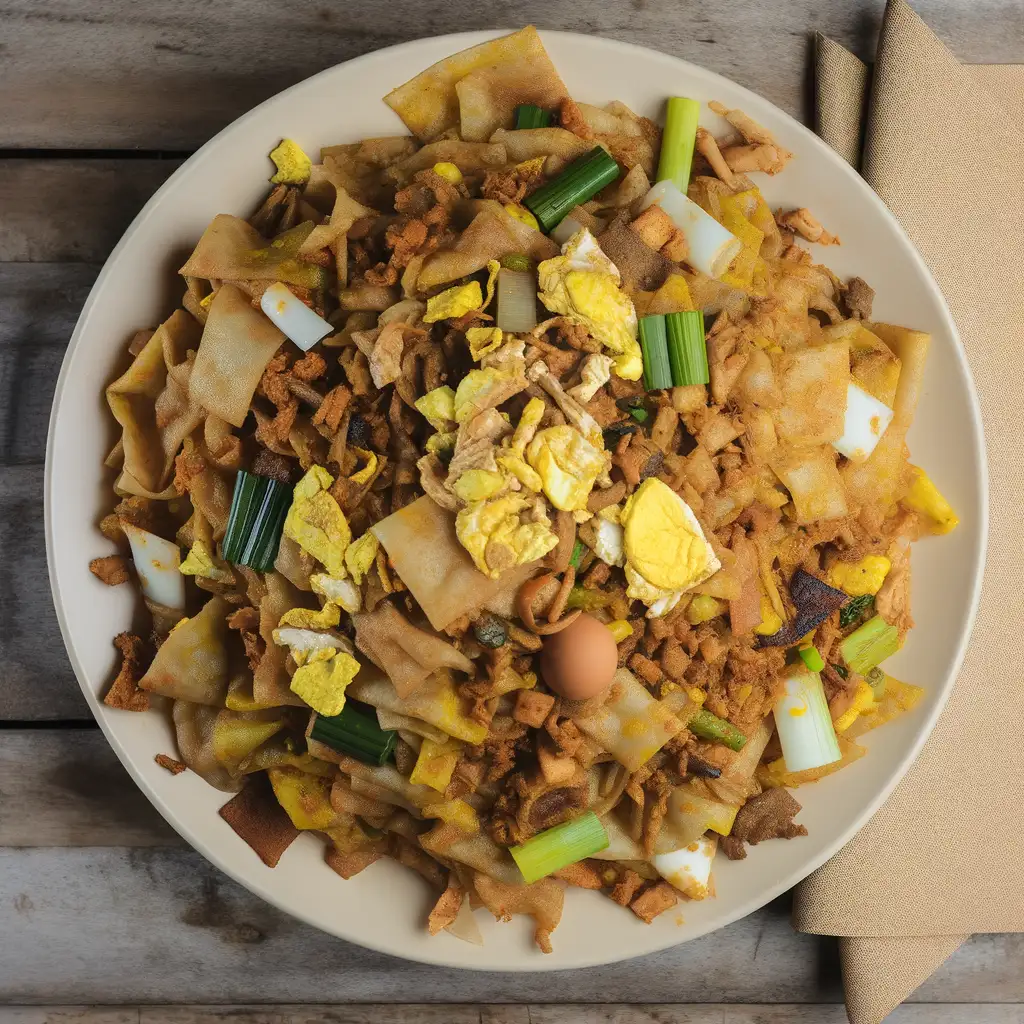

A popular street food made from chopped roti (flatbread) stir-fried with vegetables, eggs, and a choice of meat, seasoned with spices.
.webp)
A bowl-shaped pancake made from fermented rice flour and coconut milk, often served with a variety of toppings like egg, sambol, or curry.
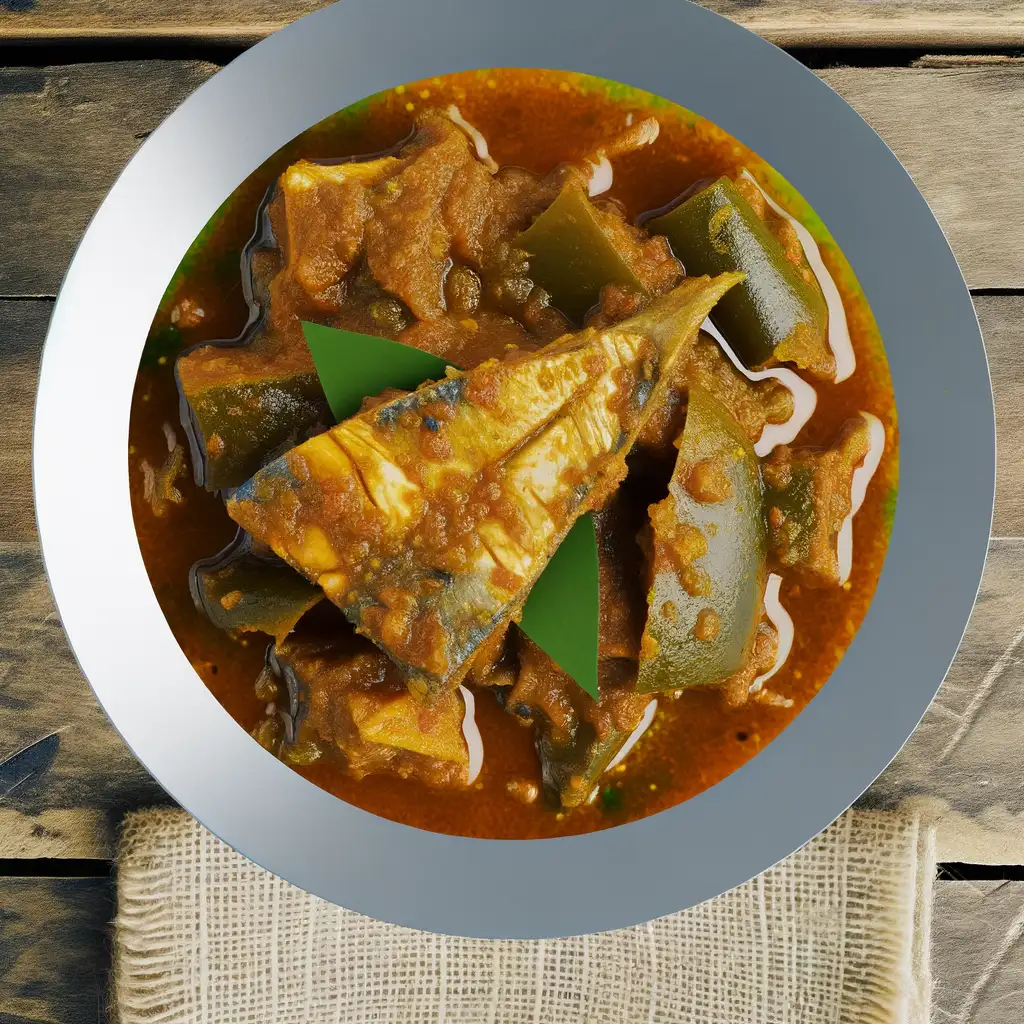
A traditional sour fish curry made with a blend of spices and goraka (a sour fruit), typically served with rice.
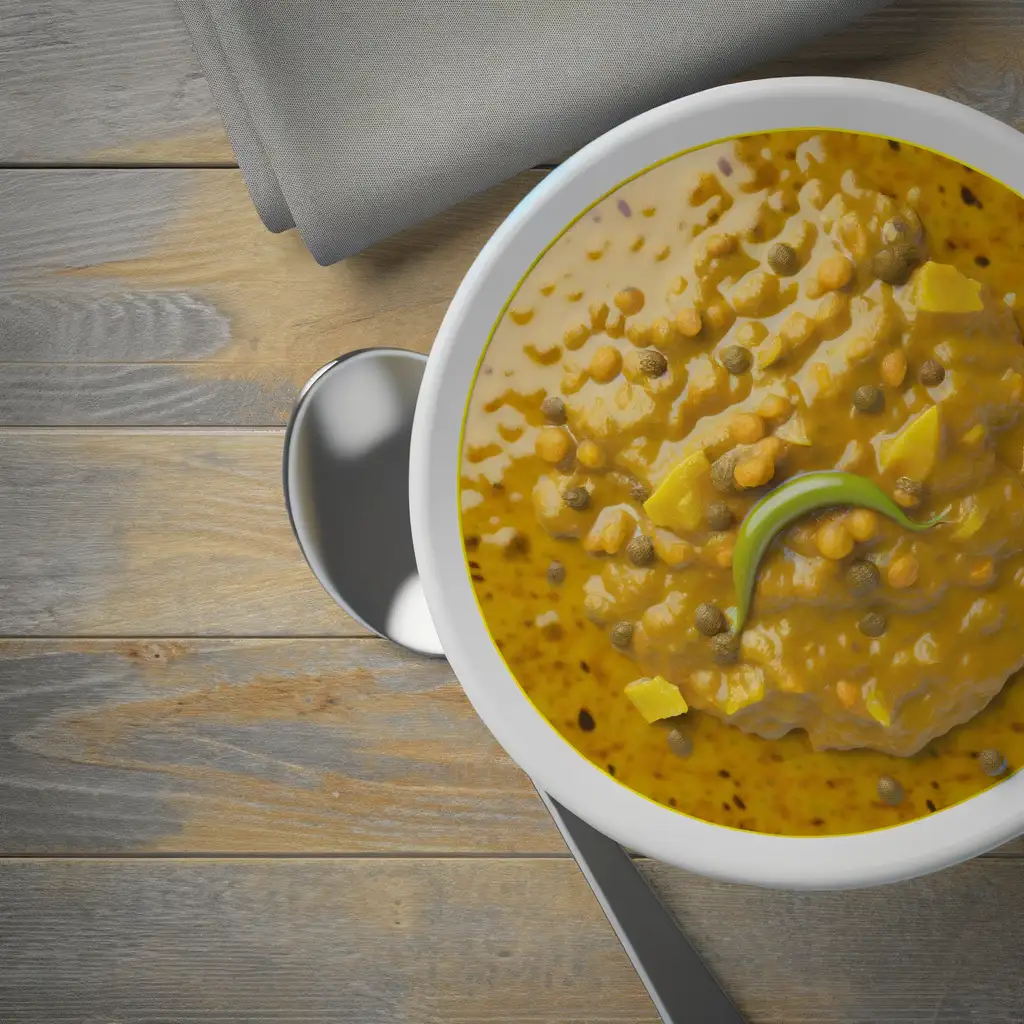
A staple dish made from lentils cooked with spices, coconut milk, and sometimes vegetables, often served with rice or roti.
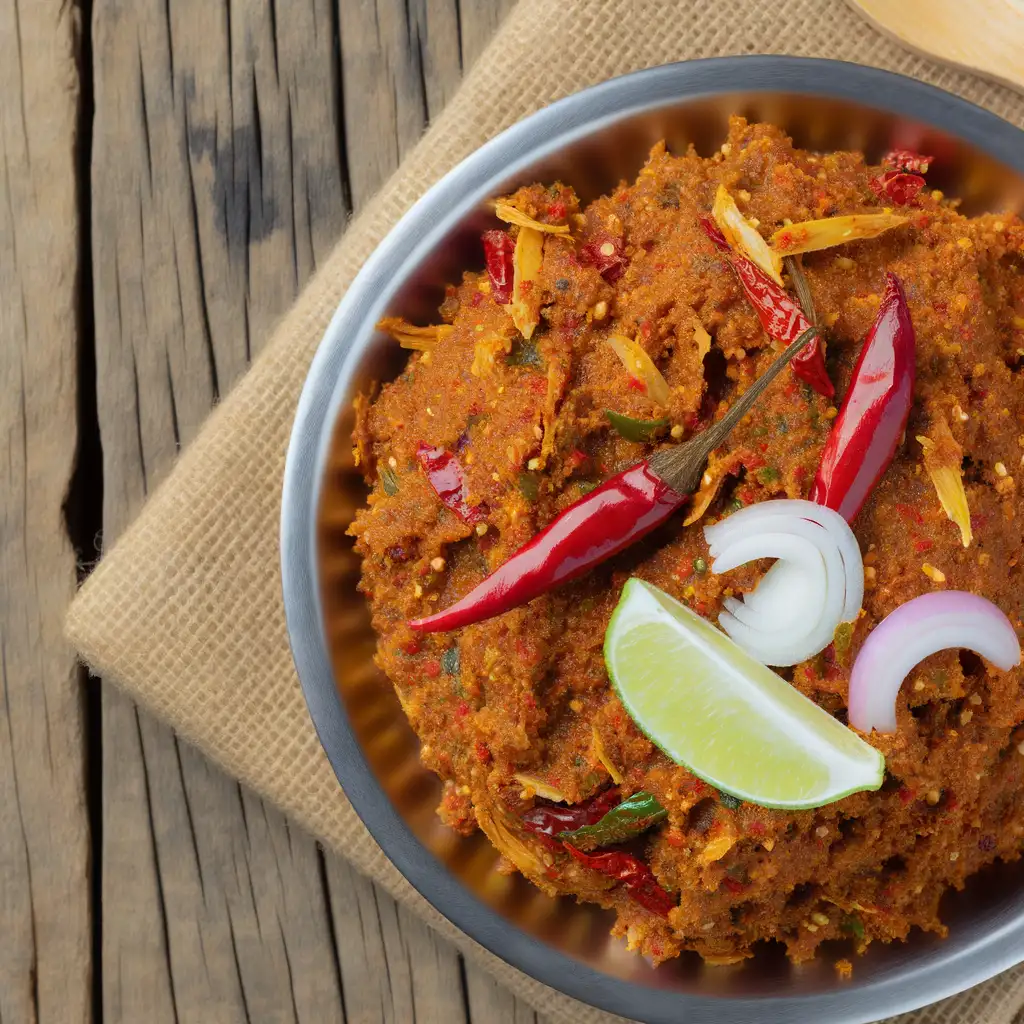
A spicy coconut relish made from grated coconut, red chili powder, onion, and lime juice, commonly served as a side dish.
.webp)
Steamed rice noodle cakes served with curry or coconut milk, often enjoyed for breakfast or dinner.

Coconut milk rice, often served with a spicy sambol, traditionally eaten during special occasions and celebrations.
 Handcrafted Moonstone ReplicasTraditional Sri Lankan Brass Oil LampsAnuradhapura-inspired Batik ArtWooden Carvings of Sacred Bodhi TreeMiniature Stupas of RuwanwelisayaHerbal Ayurvedic ProductsHandwoven Dumbara Mats and BagsLocally Sourced Ceylon SpicesPalm Leaf Manuscript ReplicasSacred Bodhi Tree Leaves Encased in Resin

Imagine stepping into Colombo and instantly feeling the pulse of a city that’s both vibrant and laid-back,where colonial charm meets modern hustle. The air hums with the chatter of street vendors,the distant call of mosque prayers,and the rhythmic clatter of tuk-tuks weaving through traffic. You’ll catch the scent of sizzling spices mingling with the salty breeze from the nearby Indian Ocean,inviting you to explore every corner.
Walking through Colombo’s streets,you’ll see a colorful tapestry of life—brightly painted buildings,bustling markets overflowing with tropical fruits,and the occasional temple or mosque standing gracefully amidst the urban buzz. The city’s character is a beautiful blend of old and new,where sleek cafes sit beside century-old colonial architecture,and street food stalls offer everything from fiery sambol to sweet,creamy king coconut water.
What really makes Colombo special is its warmth. People here have an easy smile and a genuine curiosity about visitors,making you feel like you’re not just passing through but becoming part of the story. Whether you’re wandering along Galle Face Green at sunset,watching families fly kites against the orange sky,or diving into a plate of hoppers and curry,there’s a comforting rhythm to the city that stays with you long after you leave.

The capital of the Maldives,Malé is a tropical paradise surrounded by turquoise waters and coral islands. It's a perfect destination for luxury resorts,water sports,and pristine beaches.
ExploreIf you ever find yourself wandering through Sri Lanka,Galle is one place that wraps you in a warm,timeless embrace. The moment you step inside the old fort walls,you’re transported to a world where colonial history meets vibrant local life. The cobblestone streets echo with the chatter of friendly vendors and the distant call of the ocean,while the salty breeze carries the scent of fresh seafood mingled with tropical flowers. It’s a place where time slows down just enough for you to savor every detail.
Walking along the ramparts,you can’t help but pause and watch the waves crash against the ancient stone walls,the sun casting golden hues over the harbor. The city’s character is a beautiful blend of Dutch,Portuguese,and British influences,yet it pulses with the energy of Sri Lankan culture—colorful markets,aromatic spices,and the hum of tuk-tuks weaving through narrow lanes. Stop by a cozy café and sip on a cup of strong Ceylon tea while nibbling on a warm,flaky pastry,and you’ll feel the city’s soul seep into you.
What makes Galle truly special is how it balances history with everyday life. Locals gather in small shops,artists display their vibrant paintings,and children play cricket in the streets. It’s not just a place to see but a place to feel—where every corner invites you to slow down,explore,and connect. Trust me,Galle isn’t just a stop on your trip; it’s a memory you’ll carry long after you leave.
If you ever find yourself craving a place where history hums softly through the air and nature wraps you in a cool,misty embrace,Kandy District in Sri Lanka is where you want to be. The moment you step into Kandy,there’s this gentle buzz—a mix of temple bells,chattering markets,and the rustle of leaves from the surrounding hills. It’s a city that feels alive but not rushed,like it’s inviting you to slow down and soak in its stories.
Walking through Kandy,you’ll catch the scent of jasmine and incense drifting from the Temple of the Tooth,a sacred spot that pulses with spiritual energy. The streets are lined with colorful stalls selling fresh tropical fruits,spicy street food,and handwoven textiles,tempting your senses at every turn. Don’t miss trying a cup of Ceylon tea here—rich,fragrant,and perfectly brewed,it’s like tasting a piece of the island’s soul.
What makes Kandy truly special is how it balances vibrant culture with breathtaking nature. Nestled among emerald hills and shimmering lakes,it’s a place where you can explore bustling markets one moment and find yourself wandering peaceful botanical gardens the next. The locals’ warmth and pride in their heritage shine through in traditional dance performances and festivals,making you feel like you’re part of something timeless. Honestly,Kandy isn’t just a destination—it’s an experience that lingers long after you leave.
If you ever find yourself in Sri Lanka,you absolutely have to spend some time in Negombo. The moment you arrive,there’s this laid-back coastal rhythm that wraps around you like a warm breeze. It’s a place where the ocean’s salty tang mingles with the scent of fresh spices from the bustling markets,and the chatter of fishermen mending their nets creates a soundtrack that feels both timeless and alive. Walking along the beach at sunset,you’ll see colorful fishing boats bobbing gently on the water,their bright hues reflecting the fiery sky.
Negombo’s charm lies in its blend of old and new. The city wears its history proudly,with colonial-era churches standing tall alongside vibrant street markets where vendors call out,selling everything from tropical fruits to freshly grilled seafood. The aroma of sizzling prawns and coconut-infused curries drifts through the air,tempting you to stop and savor the local flavors. It’s a place where you can sip a cup of strong,sweet Ceylon tea while watching the world go by,or dive into a plate of spicy crab that’s been caught just hours before.
What really makes Negombo special,though,is its people. Warm,welcoming,and full of stories,they add a genuine heart to the city’s character. Whether you’re wandering through the fish market at dawn or exploring the quiet canals that earned it the nickname “Little Venice,” you’ll feel like you’re stepping into a living,breathing story. Negombo isn’t just a stopover; it’s a place that invites you to slow down,breathe deeply,and soak in the simple,beautiful pulse of Sri Lankan coastal life.
If you ever find yourself craving a place where the ocean feels endless and the air hums with a gentle,salty breeze,Trincomalee is where you want to be. This coastal town in Sri Lanka has this laid-back charm that instantly slows your pace. Imagine waking up to the soft lapping of waves against golden shores,the sun casting a warm glow over turquoise waters so clear you can spot colorful fish darting beneath the surface. It’s the kind of place where mornings start with the scent of fresh seafood grilling nearby and the distant call of fishermen heading out to sea.
Trincomalee’s character is a beautiful blend of history and culture. The ancient Koneswaram Temple perched on a cliff offers not just spiritual calm but breathtaking views that make you pause and breathe it all in. Walking through the town,you’ll hear a mix of Tamil and Sinhala chatter,the clatter of markets bursting with tropical fruits,and the occasional rhythm of traditional drums. The local food scene is a vibrant adventure—think spicy crab curries,tangy sambols,and sweet,creamy king coconut water that refreshes you like nothing else.
What really stays with you is the genuine warmth of the people and the way the town feels alive yet unhurried. Whether you’re snorkeling in Pigeon Island’s coral gardens or simply watching the sunset paint the sky in fiery hues,Trincomalee invites you to slow down,soak up its rhythms,and leave with a heart full of stories.

Locals may offer tourists the chance to feed or take photos with animals, such as elephants, and then demand an unreasonably high payment afterward.
Some individuals dressed as monks may offer blessings to tourists and then demand a donation, which is not a genuine religious practice.
Tourists may be sold fake tickets to enter historical sites, which are not valid and result in tourists having to pay again at the official entrance.
Locals may approach tourists claiming to be official tour guides and offer their services for a fee. They may provide inaccurate or misleading information about the sites.
Tuk-tuk drivers may overcharge tourists, especially if the fare is not agreed upon beforehand. Some may take longer routes to increase the fare.
Vendors near tourist attractions may charge exorbitant prices for souvenirs, especially if they sense the tourist is unfamiliar with local prices.
Scammers may pose as temple workers or monks and ask for donations for the upkeep of temples. These donations often do not go to the temple.
Tourists may be offered cheap safari tours to nearby wildlife parks, but these are often unlicensed and may not follow safety or ethical guidelines.

The possession, use, and trafficking of illegal drugs are strictly prohibited in Anuradhapura and throughout Sri Lanka. The country has very stringent drug laws, and violations can result in severe penalties, including long prison sentences and heavy fines. Tourists should avoid any involvement with illegal drugs to ensure their safety and compliance with local laws.

In Anuradhapura, as in the rest of Sri Lanka, smoking is prohibited in public places such as restaurants, public transport, and government buildings. There are designated smoking areas where smoking is allowed. Tourists should be mindful of these regulations to avoid fines or other penalties.

Vaping is subject to similar regulations as smoking in Anuradhapura. It is prohibited in public places and only allowed in designated areas. Tourists should ensure they are in a permitted area before vaping to avoid any legal issues.
 27.3 °C / 81.14 °F
 -
- 3/5
3/5 Sri Lankan Rupee (LKR)
What are other people saying about Anuradhapura?
Recent Social posts about Anuradhapura
There is nothing to show you for now.