


If you ever find yourself craving a blend of cozy charm and vibrant energy,Asahikawa in northern Japan is a place that quietly steals your heart. The city hums with a gentle rhythm,where the crisp air carries the scent of pine and fresh snow in winter,and the streets buzz softly with locals going about their day. It’s not flashy,but there’s a warmth here that wraps around you like a well-worn scarf. Asahikawa feels like a community that’s proud of its roots yet open to the world,a balance that’s rare and refreshing. Walking through the city,you’ll notice the unique architecture—simple yet sturdy buildings framed by the vastness of Hokkaido’s natural beauty. The Asahiyama Zoo is a must-see,not just for the animals but for the way it invites you to get up close and personal,like watching penguins waddle just inches away or seals gliding underwater in a mesmerizing dance. And when hunger strikes,the local ramen is unforgettable—rich,hearty broth with noodles that have just the right bite,perfect after a day exploring the crisp outdoors. What really makes Asahikawa special is how it feels alive in every season. In winter,the snow blankets the city in a quiet hush,while summer brings vibrant festivals and the scent of blooming flowers. It’s a place where you can slow down,breathe deeply,and soak in a culture that’s both humble and deeply proud. Trust me,Asahikawa isn’t just a stop on your trip—it’s a place that stays with you long after you leave.
 We are reviewing this city information
The information on this page is currently being reviewed by Tripkliq and should be used as a guide only


Eng word: Hello
Eng pronunciation: Konnichiwa
Local language: こんにちは
Eng word: Goodbye
Eng pronunciation: Sayōnara
Local language: さようなら
Eng word: Thank you
Eng pronunciation: Arigatō
Local language: ありがとう
Eng word: How much
Eng pronunciation: Ikura
Local language: いくら
Eng word: Toilet
Eng pronunciation: Toire
Local language: トイレ
Eng word: Help me
Eng pronunciation: Tasukete
Local language: 助けて
Eng word: Yes
Eng pronunciation: Hai
Local language: はい
Eng word: No
Eng pronunciation: Iie
Local language: いいえ
Eng word: Excuse me
Eng pronunciation: Sumimasen
Local language: すみません
Asahikawa was officially founded on August 1,1922. It has since grown to become the second-largest city in Hokkaido, known for its beautiful natural surroundings and vibrant culture.
The Asahikawa Winter Festival, first held in 1947, is one of the largest winter festivals in Japan. It features stunning ice sculptures, snow activities, and a grand fireworks display, attracting tourists from all over the world.
Opened in 1967, Asahiyama Zoo is one of Japan's most popular zoos. It is renowned for its unique and interactive animal exhibits, such as the penguin parade and underwater viewing tunnels.
Kamikawa Shrine, established in 1883, is a significant cultural and spiritual site in Asahikawa. It hosts various traditional festivals and ceremonies throughout the year, offering visitors a glimpse into local customs and traditions.
Tokiwa Park, created in 1899, is one of Asahikawa's oldest and most beautiful parks. It features picturesque landscapes, a large pond, and seasonal flower displays, making it a popular spot for relaxation and recreation.
Asahikawa is famous for its unique style of ramen, characterized by a soy sauce-based broth. The Asahikawa Ramen Village, established in 1996, brings together several renowned ramen shops, offering visitors a delicious culinary experience.
Asahikawa has a long history of high-quality furniture production, dating back to the early 20th century. The city's skilled craftsmen and innovative designs have earned it a reputation as one of Japan's leading furniture manufacturing centers.
Opened in 1994, the Asahikawa Design Center showcases the city's rich tradition of craftsmanship and design. It features exhibitions of locally made furniture, crafts, and artworks, highlighting the creativity and skill of Asahikawa's artisans.
The Hokkaido Traditional Art and Craft Village, established in 1983, is a cultural complex that preserves and promotes traditional Hokkaido crafts. Visitors can explore workshops, galleries, and museums dedicated to various art forms, including pottery, textiles, and woodworking.


 TrainThere is no direct train service from the airport to the main area in Asahikawa. However, you can take a train from Asahikawa Airport Station to Asahikawa Station and then transfer to a local bus or taxi to reach your final destination. The total journey time is approximately 1 hour and costs around 1000 yen.
 TaxiTaking a taxi is the most convenient option to get from the airport to the main area in Asahikawa. Taxis are readily available outside the airport terminal and will take you directly to your destination. The journey usually takes around 30 minutes and costs approximately 5000-7000 yen.Ride ShareRide-sharing services like Uber are not widely available in Asahikawa. It is recommended to use other transportation options such as taxis or public transportation to get to the main area from the airport.Airport Shuttle BusThe airport shuttle bus is a cost-effective option to get from the airport to the main area in Asahikawa. The bus operates at regular intervals and stops at major hotels and transportation hubs in the city. The journey takes around 45 minutes and costs approximately 1000 yen.


In Asahikawa, the most common Power Adaptor is Type A, Type B.







 Multiple luggage locker facilities available at the airport
 Multiple luggage locker facilities available at the airport
 Price not specified
 Opening hours: at the airport, Prices vary depending on the size of the locker and duration of useLuggage storage services available at the bus terminalLocation not specifiedaffordable and depend on the size of the lockerOpening hours: at the bus terminalLuggage lockers available at the train stationstationreasonable and vary based on locker sizeOpening hours: at the train station
.webp)

A popular grilled mutton dish, typically cooked on a convex metal grill, served with a variety of vegetables and a dipping sauce.
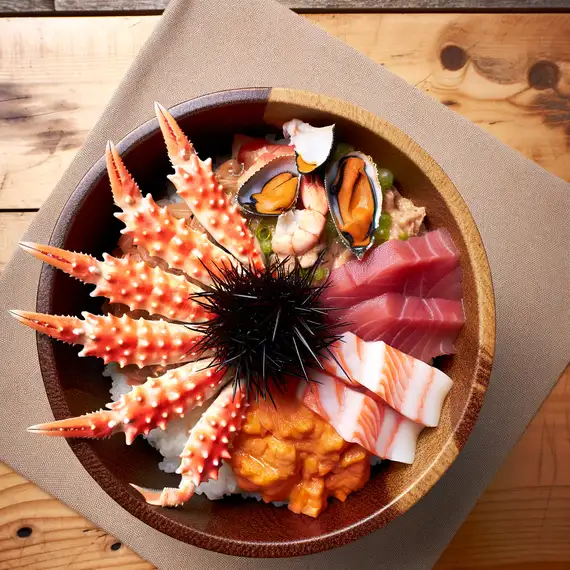
A rice bowl topped with fresh seafood, including sashimi, crab, and shrimp, showcasing the region's abundant marine resources.

Buckwheat noodles that can be served chilled with a dipping sauce or in a hot broth, often enjoyed with various toppings.

A unique style of ramen known for its rich soy sauce-based broth, often topped with slices of chashu (braised pork), green onions, and bamboo shoots.
A local variation of Japanese curry, often featuring a thicker sauce and served with rice, pickles, and sometimes a fried egg.
 Asahikawa Ramen Bowls - A set of beautifully designed bowls inspired by the city's famous soy sauce-based ramen.Otokoyama Sake - A premium sake brewed in Asahikawa, known for its crisp and refined taste.Asahikawa Furniture Miniatures - Handcrafted wooden miniatures or small furniture pieces showcasing the city's renowned woodworking craftsmanship.Snow Crystal Souvenirs - Unique snowflake-inspired ornaments or jewelry, reflecting Asahikawa's snowy winters.Asahiyama Zoo Merchandise - Plush toys, stationery, or apparel featuring animals from the famous Asahiyama Zoo.Local Lavender Products - Lavender-scented sachets, essential oils, or soaps made from locally grown lavender.Hokkaido Bear Carvings - Traditional wooden bear sculptures, a popular craft in the region.Asahikawa Ramen Instant Packs - Take-home instant ramen kits to recreate the city's iconic ramen flavor.Hokkaido Honey - Locally harvested honey, often infused with unique flavors like lavender or wildflowers.Handmade Yukimushi (Snow Bug) Accessories - Jewelry or charms inspired by the delicate snow bugs seen in Asahikawa during winter.


If you ever find yourself in Japan during winter,Sapporo-shi is a city that wraps you in a cozy,spirited embrace unlike anywhere else. Imagine crisp,snowy streets lined with softly glowing lanterns,the air tinged with the scent of pine and sizzling street food. The city hums with a lively yet laid-back energy—locals chatting over steaming bowls of miso ramen or clinking glasses of rich,locally brewed beer. It’s a place where modern city life meets nature’s quiet beauty,all under a sky that often blushes pink at sunset.
Walking through Odori Park,you’ll hear the crunch of fresh snow beneath your boots and catch glimpses of intricate ice sculptures shimmering in the cold air,especially during the famous Snow Festival. The architecture is a charming mix of clean,contemporary lines and historic European influences,giving the city a unique personality that feels both familiar and refreshingly new. Cafés spill warm light onto the streets,inviting you in to savor Hokkaido’s creamy dairy treats or a perfectly brewed cup of coffee.
What really makes Sapporo special is its genuine warmth—people here are friendly without being overbearing,proud of their city’s rich culture and natural bounty. Whether you’re wandering through the bustling Nijo Market tasting fresh seafood or hiking nearby trails that open up to breathtaking views,Sapporo feels like a place that invites you to slow down,breathe deeply,and savor every moment.
If you ever find yourself craving a place where the sea breeze carries a hint of salt and the streets hum with a gentle,timeless rhythm,Hakodate is where you want to be. This city feels like a cozy conversation between old Japan and the world beyond,with its charming mix of historic wooden houses and colorful markets bustling with fresh seafood. Walking through the morning market,you can almost taste the ocean in the air—crisp,briny,and alive with the chatter of vendors offering plump scallops and glistening squid. It’s a sensory feast that wakes you up better than any coffee.
As the day unfolds,the city’s character reveals itself in the soft glow of the red brick warehouses by the harbor and the winding streets of Motomachi,where you can spot old churches and quaint cafes tucked between cherry blossoms. There’s a peacefulness here,but also a quiet energy,like the city is gently inviting you to slow down and savor every moment. And then,when night falls,the view from Mount Hakodate is nothing short of magical—thousands of twinkling lights spread out below,like a sea of stars you can almost reach out and touch.
Hakodate’s charm isn’t just in its sights but in its flavors,too. Don’t miss trying the local specialty,shio ramen,with its delicate,salty broth that perfectly captures the essence of the sea. It’s a city that feels warm and welcoming,where every corner has a story,and every meal tastes like a celebration of the coast. Trust me,once you’ve been,Hakodate stays with you long after you’ve left.
If you ever find yourself craving a place where history and charm wrap around you like a cozy scarf,Otaru is that kind of city. Nestled along the northern coast of Hokkaido,it feels like stepping into a living postcard—cobblestone streets lined with old brick warehouses whisper stories of a bustling port town from days gone by. As you stroll along the canal,the soft ripple of water mingles with the distant clink of glasses from quaint cafes,creating a peaceful soundtrack that invites you to slow down and savor the moment.
The air carries a subtle mix of salty sea breeze and the sweet aroma of freshly baked pastries from local bakeries. Don’t miss trying the sushi here—Otaru’s seafood is incredibly fresh,often caught just hours before it lands on your plate. Watching the chefs skillfully slice glistening cuts of fish feels almost like a performance,and the taste? Pure ocean magic.
What really makes Otaru special is its blend of old-world elegance and warm,approachable spirit. The city’s glass artisans craft delicate,shimmering works that catch the light just right,and wandering through their studios feels like stepping into a treasure trove. At night,the gas lamps along the canal flicker to life,casting a golden glow that turns the whole place into a quiet,enchanting dream. It’s a city that invites you to slow down,breathe deeply,and fall in love with its gentle rhythm.
Tokyo feels like stepping into a living,breathing mosaic where tradition and futurism dance side by side. The moment you arrive,you’re swept up in a vibrant energy that hums through neon-lit streets and quiet temple gardens alike. Imagine the buzz of Shibuya Crossing,where hundreds of people move in perfect chaos,the air tinged with the scent of sizzling street food and fresh cherry blossoms in spring. It’s a city that never quite sleeps,yet somehow offers pockets of serene calm if you know where to look.
Walking through Tokyo,you’ll hear a symphony of sounds—from the rhythmic clatter of trains to the soft murmur of locals chatting over steaming bowls of ramen. The city’s character is a fascinating blend of meticulous order and playful creativity. You can find centuries-old shrines nestled between sleek skyscrapers,and quirky themed cafes that feel like stepping into another world. The taste of Tokyo is unforgettable too—whether it’s the delicate umami of sushi at a tiny neighborhood spot or the comforting warmth of matcha-flavored sweets.
What makes Tokyo truly unique is how it embraces contrasts without missing a beat. It’s a place where you can lose yourself in sprawling shopping districts,then find quiet reflection in a moss-covered garden. The people,warm and respectful,add a layer of kindness that makes the city feel welcoming despite its size. If you’re curious,open-hearted,and ready to explore,Tokyo will surprise you at every turn and leave you with stories you’ll want to share again and again.
If you ever find yourself craving a place where the ocean breeze carries a hint of tropical warmth and the streets hum with a laid-back island rhythm,Naha Shi in Okinawa is where you want to be. Walking through its bustling markets,you’ll catch the vibrant colors of fresh fruits and the spicy aroma of Okinawan cuisine wafting through the air—think sweet purple sweet potatoes and tangy goya stir-fries that tease your taste buds. The city feels alive but never rushed,like it’s inviting you to slow down and savor every moment.
Naha’s charm lies in its blend of old and new. You can wander through the historic Shuri Castle grounds,where the echoes of Ryukyu Kingdom royalty still seem to linger,then stroll just a few blocks to modern cafes and quirky shops that pulse with youthful energy. The locals are warm and welcoming,often eager to share stories or recommend their favorite spots for a refreshing sata andagi (Okinawan doughnut) or a cup of jasmine tea.
As the sun dips low,the harbor lights twinkle against the backdrop of turquoise waters,and the gentle sound of waves mingles with distant laughter from street performers. It’s a city that feels like a gentle embrace—rich in culture,alive with flavor,and wrapped in the kind of peaceful energy that makes you want to stay a little longer,just to soak it all in.
If you find yourself wandering through Fukuoka-shi,you’ll immediately notice a refreshing blend of vibrant city life and laid-back coastal charm. The air carries a subtle saltiness from the nearby sea,mingling with the enticing aroma of street food stalls sizzling with fresh yakitori and steaming bowls of Hakata ramen. It’s a city that hums with energy but never feels overwhelming—like a close-knit community that’s just big enough to surprise you at every corner.
Walking through the bustling Nakasu district at night,neon lights flicker against the river’s calm surface,while laughter and chatter spill out from cozy izakayas. The city’s pulse is warm and inviting,with locals who are proud yet unpretentious,always ready to share a story or recommend their favorite spot. Fukuoka’s rich history peeks through in its temples and shrines,but it’s the modern art galleries and lively festivals that show how the city embraces both tradition and innovation.
What really sets Fukuoka apart is its pace—fast enough to keep you intrigued,slow enough to savor. Imagine sitting by the waterfront,a gentle breeze brushing your face,as you sip on a cold yuzu drink and watch fishing boats bobbing gently. It’s a place where you can dive into Japan’s culinary delights,explore vibrant markets,and still find quiet moments to just breathe and soak it all in. Trust me,Fukuoka feels like a warm welcome you didn’t know you needed.

Fake listings for hotels or guesthouses may target tourists booking online, leading to lost money and no actual accommodation.
Tourists may be sold fake tickets for local attractions or events, which are invalid upon arrival.
Unlicensed individuals may pose as tour guides, offering subpar or incorrect information about Asahikawa while charging high fees.
Some shops may charge tourists significantly higher prices for local souvenirs or traditional items compared to their actual value.
Certain restaurants may have separate, more expensive menus for tourists or add hidden charges to the bill.
Scammers may pose as charity workers asking for donations, but the money does not go to any legitimate cause.
Some taxi drivers may take longer routes or inflate fares for tourists unfamiliar with the area.

Japan has very strict drug laws, and this includes Asahikawa. The possession, use, or trafficking of illegal drugs is severely punished, with strict penalties including imprisonment and heavy fines. Even some over-the-counter medications that are legal in other countries may be restricted in Japan. Tourists should ensure they are not carrying any prohibited substances and should consult with Japanese customs regulations if they are unsure about specific medications.

In Asahikawa, as in many other cities in Japan, smoking is regulated to ensure public health and safety. Smoking is generally prohibited in many public places such as parks, streets, and public transportation. Designated smoking areas are available, and it is important to use these areas to avoid fines. Many restaurants and bars may have specific smoking sections, but this is becoming less common. Always look for signs indicating whether smoking is allowed.

Vaping is subject to similar regulations as smoking in Asahikawa. It is generally prohibited in public places and should be done in designated areas. The same rules that apply to smoking in terms of location and fines also apply to vaping. Tourists should be mindful of local regulations and look for designated vaping areas.
 23.5 °C / 74.30 °F
 317864
 4/5
4/5 Japanese Yen (JPY)
What are other people saying about Asahikawa?
Recent Social posts about Asahikawa
There is nothing to show you for now.