


If you find yourself wandering through Tokyo,Chūō Ku is the heartbeat that pulses with a unique blend of old and new. Imagine stepping into a place where the sleek glass towers of Ginza stand shoulder to shoulder with the timeless charm of Nihonbashi’s traditional shops. The air hums with a quiet energy—business suits briskly crossing the street,the clink of sake glasses from cozy izakayas,and the soft rustle of kimono fabric from nearby boutiques. It’s a district where history isn’t just preserved; it’s woven into the everyday rhythm. Walking through Chūō Ku,your senses come alive. The scent of freshly baked melonpan mingles with the salty tang of fresh seafood from Tsukiji Market,where vendors shout their morning deals with infectious enthusiasm. The streets are a mosaic of textures and colors—from the polished marble of department stores to the weathered wood of century-old storefronts. At night,the neon lights reflect off the Sumida River,casting a shimmering glow that invites you to linger a little longer. What makes Chūō Ku truly special is its character—a place where tradition and innovation dance effortlessly. You can savor a meticulously crafted sushi meal that feels like an art form,then stroll to a sleek café serving matcha lattes with a modern twist. It’s a neighborhood that embraces its past while eagerly stepping into the future,making every visit feel like a discovery. Trust me,once you soak in its vibe,Chūō Ku will stay with you long after you’ve left.
 We are reviewing this city information
The information on this page is currently being reviewed by Tripkliq and should be used as a guide only


Eng word: Hello
Eng pronunciation: Konnichiwa
Local language: こんにちは
Eng word: Goodbye
Eng pronunciation: Sayōnara
Local language: さようなら
Eng word: Thank you
Eng pronunciation: Arigatō
Local language: ありがとう
Eng word: How much
Eng pronunciation: Ikura
Local language: いくら
Eng word: Toilet
Eng pronunciation: Toire
Local language: トイレ
Eng word: Help me
Eng pronunciation: Tasukete
Local language: 助けて
Eng word: Yes
Eng pronunciation: Hai
Local language: はい
Eng word: No
Eng pronunciation: Iie
Local language: いいえ
Eng word: Excuse me
Eng pronunciation: Sumimasen
Local language: すみません
Chūō Ku, one of Tokyo's central wards, was officially established on March 15,1947, as part of the administrative reforms post-World War II. This ward combines the former wards of Nihonbashi and Kyobashi.
Nihonbashi, located within Chūō Ku, is a historic bridge dating back to the 17th century. It was originally a wooden bridge and is considered the point from which distances to other parts of Japan are measured.
The Ginza district, located in Chūō Ku, was one of the first areas in Japan to be modernized in the 1870s, following the country's opening to the West. It quickly became Tokyo's premier shopping and entertainment district.
The Tsukiji Market, founded in 1935, was the largest wholesale fish and seafood market in the world until its inner market relocated to Toyosu in 2018. It has been a major culinary landmark in Tokyo, attracting tourists from all over.
The Kabuki-za Theatre, Tokyo's premier kabuki theatre located in Ginza, Chūō Ku, opened in 1889. It is the principal theatre in Tokyo for the traditional kabuki drama form.
The main office building of the Bank of Japan, headquartered in Chūō Ku, is a neoclassical masterpiece completed in 1896. It's an architectural symbol of Japan's modernization and financial ambition.
Chūō Ku is home to the Tokyo Stock Exchange, established in 1878, reflecting Japan's rapid growth into a major economic power.
Completed in 1929, the Mitsui Main Building in Nihonbashi, Chūō Ku, is a designated Important Cultural Property. It showcases Neo-Renaissance architecture and represents the pre-war economic prosperity of Japan.
Opened in 1952 by the founder of Bridgestone Tire Company, Ishibashi Shojiro, the Bridgestone Museum of Art in Chūō Ku houses a collection of Western and Japanese art. It reflects the cultural sophistication of Tokyo.


 TrainTaking the train is a convenient and efficient way to get to the main area from the airport in Chūō Ku, Japan. There are train stations located near the airport that offer direct connections to the main area. You can purchase a ticket at the station and board the train to reach your destination.TaxiTaking a taxi is the most convenient option to get to the main area from the airport in Chūō Ku, Japan. Taxis are readily available outside the airport and can take you directly to your destination. However, it can be a bit expensive compared to other options.Ride ShareUsing a ride-sharing service like Uber or Lyft is another convenient option to get to the main area from the airport. You can book a ride through the app and the driver will pick you up from the airport and drop you off at your destination.Airport Shuttle BusThe airport shuttle bus is a cost-effective option to get to the main area from the airport. These buses operate on a schedule and make stops at various locations in the city, including the main area. You can easily find the shuttle bus stop outside the airport.


In Chūō Ku, the most common Power Adaptor is Type A, Type B.






 Coin lockers and luggage storage services available at Haneda Airport
 lockers and luggage storage services available at Haneda Airport
 Price not specified
 Opening hours: at Haneda AirportLuggage storage services available at Narita International Airport for a feeLuggage storage services available at Narita International Airport for a feePrice not specifiedOpening hours: at Narita International Airport for a feeCoin lockers available at Tokyo Station for storing luggagelockers available at Tokyo Station for storing luggagePrice not specifiedOpening hours: at Tokyo Station for storing luggage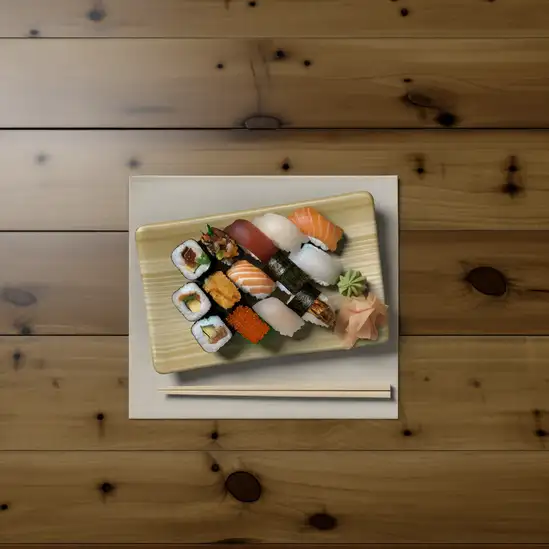

Chūō Ku is home to the famous Tsukiji Outer Market, where you can find some of the freshest sushi in Tokyo, featuring a variety of fish and seafood.
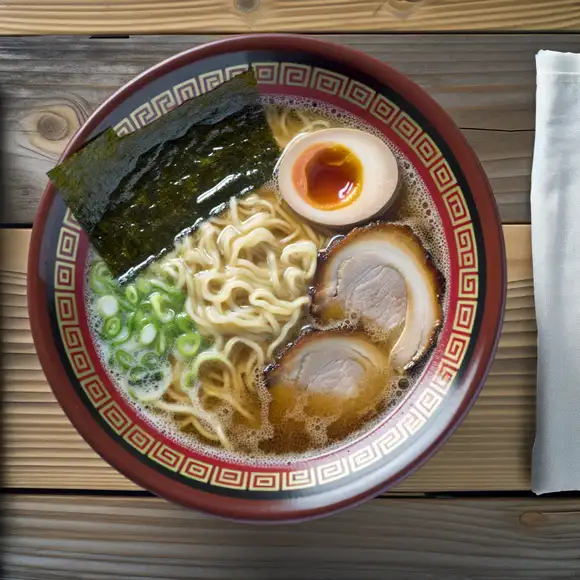
A hearty noodle soup dish that comes in various styles, Chūō Ku has numerous ramen shops offering unique broths and toppings.
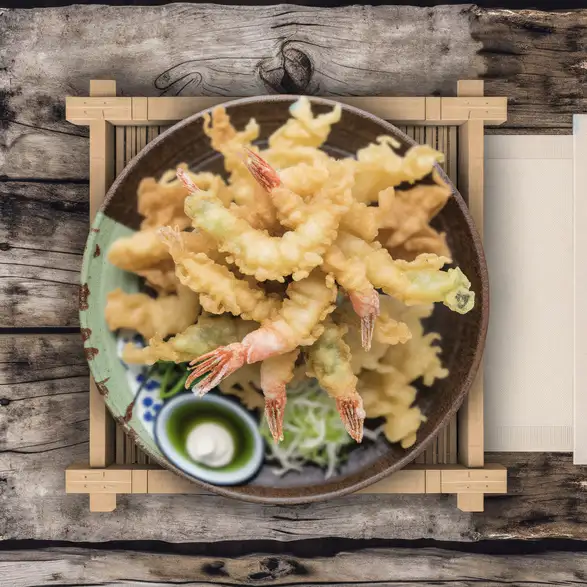
Lightly battered and deep-fried vegetables and seafood, tempura is a beloved dish that can be found in many restaurants throughout Chūō Ku.
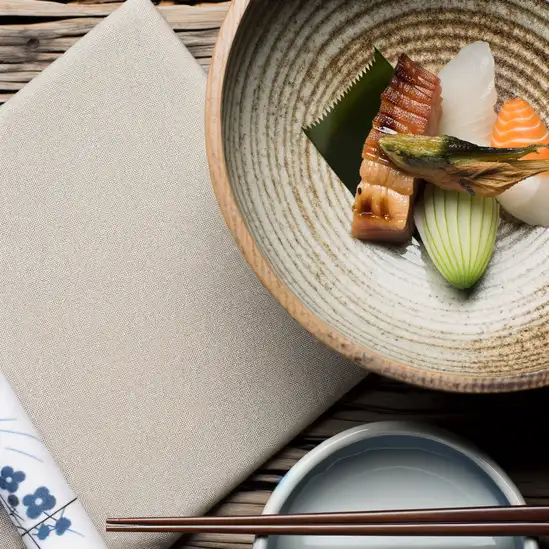
A traditional multi-course Japanese dinner that showcases seasonal ingredients and meticulous presentation, available in upscale restaurants in the area.
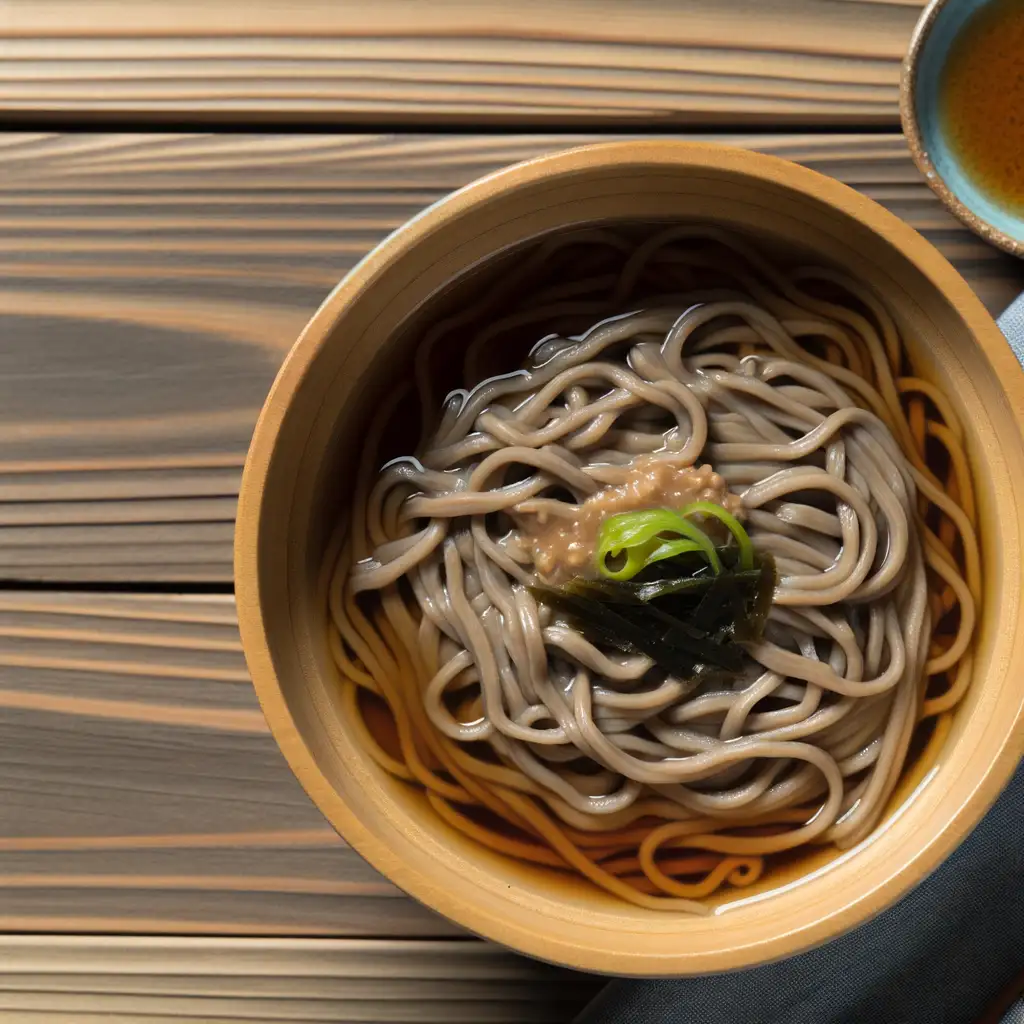
Buckwheat noodles served chilled with a dipping sauce or in a hot broth, soba is a popular dish in the area, often enjoyed in traditional soba shops.

Grilled eel glazed with a sweet soy-based sauce, unagi is a delicacy often served over rice and is particularly popular in the summer months.
 Ginza Senbei (Traditional Japanese Rice Crackers)Handcrafted Japanese Fans (Uchiwa or Sensu) from GinzaWagashi (Traditional Japanese Sweets) from Famous Shops like TorayaLuxury Japanese Green Tea from Specialty Stores in NihonbashiEdo Kiriko (Traditional Japanese Cut Glassware)Custom-Made Japanese Calligraphy Brushes from KyukyodoHigh-Quality Japanese Knives from Nihonbashi's Historic Knife ShopsKimono Fabric Accessories (Scarves, Pouches) from Ginza BoutiquesTokyo Station-Themed Souvenirs (e.g., Tokyo Banana or Stationery)Traditional Japanese Incense from Ginza Shops like Shoyeido

Imagine stepping into a city that buzzes with an infectious energy,where neon lights splash vibrant colors across the night sky and the air hums with laughter and chatter. That’s Osaka for you—a place that feels alive in the most welcoming way. It’s not just a city; it’s a warm,spirited friend who invites you to dive into its lively streets,where every corner tells a story. The scent of sizzling takoyaki and okonomiyaki wafts through the air,tempting you to stop and savor the rich,comforting flavors that define Osaka’s food culture.
Walking through Dotonbori,you’ll hear the rhythmic clatter of chefs flipping pancakes on hot griddles,mixed with the playful calls of street vendors. The city’s character shines in its blend of old and new—ancient castles stand proudly near bustling shopping arcades,and traditional theaters share space with quirky,modern cafes. People here are famously friendly and down-to-earth,always ready with a smile or a helpful tip,making you feel instantly at home.
What makes Osaka truly special is its unapologetic joyfulness. It’s a city that celebrates life through its food,festivals,and everyday moments. Whether you’re savoring a bowl of rich ramen,exploring vibrant markets,or simply soaking in the neon-lit riverbanks,Osaka wraps you in a warm embrace that lingers long after you leave. Trust me,once you experience its spirited charm,you’ll find yourself dreaming of coming back.
Hiroshima has this incredible mix of quiet reflection and vibrant life that stays with you long after you leave. When you walk through the city,there’s a gentle hum of everyday moments—people chatting over steaming bowls of okonomiyaki,the city’s famous savory pancake,or the soft rustle of leaves in Shukkeien Garden. The air carries a subtle blend of sea breeze and fresh greenery,grounding you in a place that’s both peaceful and full of stories.
What really sets Hiroshima apart is its spirit. The Peace Memorial Park is deeply moving,but it’s not just about history—it’s about hope and resilience. You can feel the city’s heartbeat in the way locals honor the past while embracing the future. Nearby,the bustling Hondori shopping street buzzes with energy,where neon signs flicker and laughter spills from cozy cafes and lively izakayas.
Don’t miss the chance to take a ferry to Miyajima Island,where the iconic floating torii gate seems to float on the water at high tide. The island’s serene forests and friendly deer add a magical touch to your visit. Hiroshima’s warmth isn’t just in its sights but in its people—their kindness and quiet strength make you feel like you’re part of something meaningful. It’s a city that invites you to slow down,listen,and soak in a unique blend of history,culture,and everyday beauty.

Imagine stepping into a place where the ocean breeze carries the scent of salty waves mingled with the sweet aroma of tropical flowers—welcome to Naha,the vibrant heart of Okinawa. This city pulses with a laid-back energy that feels both refreshing and inviting,a perfect blend of island charm and urban buzz. As you wander through its lively streets,you’ll hear the rhythmic chatter of locals,the clinking of glasses in cozy izakayas,and the distant hum of traditional sanshin music weaving through the air.
Naha’s character is deeply rooted in its unique Ryukyu heritage,which you can see in the colorful Shuri Castle ruins and taste in the local cuisine. Don’t miss trying Okinawa soba,a comforting bowl of thick noodles swimming in a rich broth,or the sweet,chewy sata andagi donuts sold by friendly vendors. The city’s markets,especially Makishi Public Market,are a feast for the senses—vibrant stalls bursting with fresh seafood,tropical fruits,and handmade crafts that tell stories of the island’s past and present.
What really sets Naha apart is its warm,welcoming spirit. People here move at their own pace,inviting you to slow down and savor the moment. Whether you’re exploring the colorful murals in Kokusai Street or watching the sun dip below the horizon at Naminoue Beach,Naha feels like a place where every corner holds a new story,and every smile makes you feel right at home.
If you find yourself wandering through Fukuoka-shi,you’ll immediately notice a refreshing blend of vibrant city life and laid-back coastal charm. The air carries a subtle saltiness from the nearby sea,mingling with the enticing aroma of street food stalls sizzling with fresh yakitori and steaming bowls of Hakata ramen. It’s a city that hums with energy but never feels overwhelming—like a close-knit community that’s just big enough to surprise you at every corner.
Walking through the bustling Nakasu district at night,neon lights flicker against the river’s calm surface,while laughter and chatter spill out from cozy izakayas. The city’s pulse is warm and inviting,with locals who are proud yet unpretentious,always ready to share a story or recommend their favorite spot. Fukuoka’s rich history peeks through in its temples and shrines,but it’s the modern art galleries and lively festivals that show how the city embraces both tradition and innovation.
What really sets Fukuoka apart is its pace—fast enough to keep you intrigued,slow enough to savor. Imagine sitting by the waterfront,a gentle breeze brushing your face,as you sip on a cold yuzu drink and watch fishing boats bobbing gently. It’s a place where you can dive into Japan’s culinary delights,explore vibrant markets,and still find quiet moments to just breathe and soak it all in. Trust me,Fukuoka feels like a warm welcome you didn’t know you needed.
If you ever find yourself in Japan during winter,Sapporo-shi is a city that wraps you in a cozy,spirited embrace unlike anywhere else. Imagine crisp,snowy streets lined with softly glowing lanterns,the air tinged with the scent of pine and sizzling street food. The city hums with a lively yet laid-back energy—locals chatting over steaming bowls of miso ramen or clinking glasses of rich,locally brewed beer. It’s a place where modern city life meets nature’s quiet beauty,all under a sky that often blushes pink at sunset.
Walking through Odori Park,you’ll hear the crunch of fresh snow beneath your boots and catch glimpses of intricate ice sculptures shimmering in the cold air,especially during the famous Snow Festival. The architecture is a charming mix of clean,contemporary lines and historic European influences,giving the city a unique personality that feels both familiar and refreshingly new. Cafés spill warm light onto the streets,inviting you in to savor Hokkaido’s creamy dairy treats or a perfectly brewed cup of coffee.
What really makes Sapporo special is its genuine warmth—people here are friendly without being overbearing,proud of their city’s rich culture and natural bounty. Whether you’re wandering through the bustling Nijo Market tasting fresh seafood or hiking nearby trails that open up to breathtaking views,Sapporo feels like a place that invites you to slow down,breathe deeply,and savor every moment.
If you wander into Nagasaki,you’ll immediately notice a gentle blend of history and warmth that wraps around you like a soft breeze off the harbor. This city carries a quiet resilience,where every street corner whispers stories of its past—both joyful and heartbreaking. As you stroll along the waterfront,the salty tang of the sea mingles with the aroma of simmering champon,a local noodle dish that’s as comforting as a warm hug on a chilly day. The colorful houses cascade down the hillsides,creating a patchwork quilt of life that feels both intimate and alive.
Nagasaki’s character is shaped by its unique crossroads of cultures. You’ll hear the faint echoes of Portuguese and Dutch influences in the architecture and the gentle chime of church bells mingling with the hum of bustling markets. The city’s spirit is reflected in its people—friendly,thoughtful,and quietly proud. Visiting the Peace Park or the Atomic Bomb Museum is a moving experience,but it’s balanced by the lively energy of Chinatown,where the sizzle of stir-fry and the chatter of vendors invite you to savor every bite and moment.
What makes Nagasaki truly special is how it embraces both reflection and celebration. Whether you’re watching the sunset paint the harbor in shades of gold or wandering through the lantern-lit streets during the vibrant festivals,there’s a sense of hope and renewal that stays with you long after you leave. It’s a place that invites you to slow down,listen,and feel the heartbeat of a city that’s been through so much—and still shines brightly.

Tourists are lured into bars or nightclubs with promises of cheap drinks, but are later presented with an inflated bill that includes hidden fees or exorbitant charges.
Shops or street vendors sell counterfeit luxury goods or electronics, claiming they are authentic, but the items are of poor quality.
Scammers pose as charity workers, asking tourists for donations to fake causes or organizations.
Tourists are sold fake tickets for attractions, events, or transportation, which are either invalid or overpriced.
While not as common as in other countries, pickpocketing can occur in crowded tourist areas, especially around train stations or shopping districts.
Scammers approach tourists on the street, offering deals for bars, clubs, or other entertainment venues, which turn out to be overpriced or involve additional hidden costs.
Some taxi drivers may take longer routes or charge extra fees to tourists unfamiliar with the area.
Tourists are invited to participate in a traditional tea ceremony, only to be charged an exorbitant fee afterward for what is presented as a cultural experience.

Japan has very strict drug laws. The possession, use, or trafficking of illegal drugs, including marijuana, is severely punished and can result in long prison sentences, heavy fines, and deportation for foreigners. Prescription medications should be declared upon entry, and some medications that are legal in other countries may be restricted or prohibited in Japan.

In Chūō Ku, Japan, smoking is generally prohibited in many public places, including streets, parks, and public transportation areas. Designated smoking areas are available and should be used. Violators may face fines. Restaurants and bars may have specific smoking areas, but it's best to check for signs or ask staff.

Vaping is subject to similar regulations as smoking in Chūō Ku. It is prohibited in most public places, and users should look for designated vaping areas. The same fines and penalties apply for vaping in non-designated areas.
 25.6 °C / 78.08 °F
 -
- 5/5
5/5 Japanese Yen (JPY)
What are other people saying about Chūō Ku?
Recent Social posts about Chūō Ku
There is nothing to show you for now.