

City page is loading...
Imagine stepping into a place where the ocean stretches endlessly in every direction,its waters so clear you can see vibrant coral reefs teeming with life just beneath the surface. That’s the vibe of the Derawan Islands—an archipelago in Indonesia that feels like a serene escape from the world’s noise. The moment you arrive,you’re greeted by the gentle rustle of palm leaves swaying in the tropical breeze and the soft,rhythmic lapping of waves against wooden boats. It’s a place where time slows down,inviting you to breathe deeply and soak in the natural beauty. The islands have this laid-back charm,where local fishermen mend their nets by day and the scent of fresh grilled seafood drifts through the air come evening. You’ll find yourself savoring sweet,juicy tropical fruits while watching the sun melt into the horizon,painting the sky in shades of pink and gold. The underwater world here is nothing short of magical—swimming alongside graceful manta rays or spotting turtles gliding effortlessly through the water feels like stepping into a dream. What makes Derawan truly special is its blend of untouched nature and warm,welcoming communities. The locals carry a quiet pride in their traditions,and sharing a meal or a story with them adds a rich layer to your experience. Whether you’re snorkeling,kayaking,or simply lounging on powdery white beaches,the islands invite you to connect—with nature,with culture,and with a peaceful rhythm that stays with you long after you leave.
 We are reviewing this city information
The information on this page is currently being reviewed by Tripkliq and should be used as a guide only

Eng word: Hello
Eng pronunciation: HAH-loh
Local language: Halo
Eng word: Goodbye
Eng pronunciation: suh-LAH-maht TING-gahl
Local language: Selamat tinggal
Eng word: Thank you
Eng pronunciation: teh-REE-mah KAH-see
Local language: Terima kasih
Eng word: How much
Eng pronunciation: buh-RAH-pah
Local language: Berapa
Eng word: Toilet
Eng pronunciation: TOY-let
Local language: Toilet
Eng word: Help me
Eng pronunciation: TOH-long SAH-yah
Local language: Tolong saya
Eng word: Yes
Eng pronunciation: YAH
Local language: Ya
Eng word: No
Eng pronunciation: TEE-dahk
Local language: Tidak
Eng word: Excuse me
Eng pronunciation: puhr-MEE-see
Local language: Permisi
The name 'Derawan' is believed to have originated from the local word 'derawan,' which means 'wealth' or 'treasure,' symbolizing the rich marine biodiversity and natural beauty of the islands.
Historically, the Derawan Islands were part of a maritime trade route, serving as a stopover for traders navigating the waters of the Celebes Sea and the Makassar Strait.
The Derawan Islands have long been home to the Bajau people, also known as 'Sea Nomads,' who are renowned for their deep connection to the ocean and their traditional fishing practices.
In the 1980s, the Derawan Islands gained recognition for their importance as a nesting site for green turtles, leading to the establishment of conservation efforts to protect these endangered species.
The Derawan Islands were nominated as a UNESCO World Heritage Site due to their exceptional marine biodiversity, including coral reefs, manta rays, and whale sharks.
Kakaban Island, part of the Derawan archipelago, is famous for its unique jellyfish lake, where visitors can swim with non-stinging jellyfish—a rare natural phenomenon found in only a few places worldwide.
The Derawan Islands are part of the Coral Triangle, known as the 'Amazon of the Seas,' and are home to over 870 species of reef fish and 460 species of coral.
The Derawan Islands have played a significant role in Indonesia's maritime culture, with traditional fishing and boat-building techniques passed down through generations.
In recent decades, the Derawan Islands have become a popular eco-tourism destination, attracting visitors from around the world to experience its pristine beaches, crystal-clear waters, and vibrant marine life.


 TrainThere are no train services available in the Derawan Islands, as the transportation infrastructure primarily relies on road and water transport.
 TaxiTaxis are readily available at the airport and are a common choice for travelers. They offer a straightforward way to reach the main area, with fixed rates or metered fares depending on the service. It's advisable to use official taxi services for safety.Ride ShareRide-sharing services like Grab or Gojek are popular in the Derawan Islands area, providing convenient and flexible transportation options directly from the airport to your destination. They can be booked via mobile apps and are often preferred for their ease of use and competitive pricing.Airport Shuttle BusAn airport shuttle bus may be available, providing a cost-effective way to travel to the main area. This option is less popular than ride shares and taxis but can be convenient for those traveling in groups or on a budget.OtherBoat transfers are a unique option for reaching certain areas of the Derawan Islands, especially if you're heading to specific resorts or islands. This method can be scenic and enjoyable, but it may not be the most direct route from the airport.


In Derawan Islands, the most common Power Adaptor is Type C, Type F.






 Provider:Airport Management; Location:Inside the terminal; Pricing:Approximately IDR 50
 Provider:Airport Management; Location:Inside the terminal; Pricing:Approximately IDR 50,000 per day; Important Points:Secure lockers available for short-term use,monitored by airport staff
 Price not specified
 Opening hours: for short-term use,monitored by airport staffProvider:Resort Management; Location:At the resorts reception; Pricing:IDR 100Location not specifiedPrice not specifiedOpening hours: for guests and visitors,includes access to resort facilitiesProvider:Local Guesthouse; Location:Near the main dock; Pricing:IDR 40dock; Pricing:IDR 40Price not specifiedNo additional informationProvider:Local Port Authority; Location:Near the entrance of the port; Pricing:IDR 30Location not specifiedPrice not specifiedNo additional information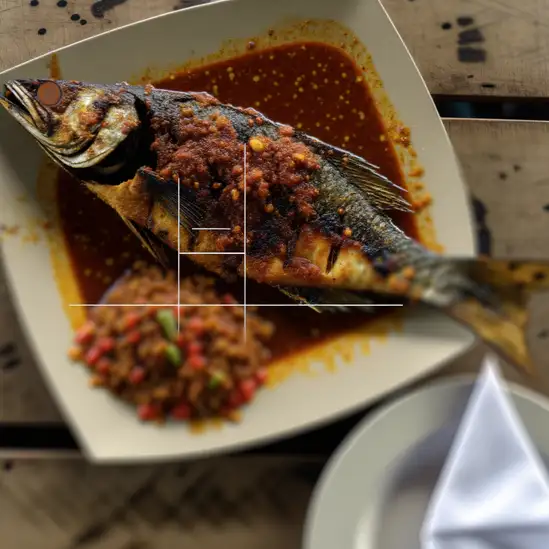

Grilled fish marinated with a blend of spices, often served with sambal and rice, showcasing the fresh seafood of the region.

A traditional fried rice dish cooked with local spices, vegetables, and often topped with fried eggs, reflecting the local culinary style.

A flavorful fish soup made with fresh catch, vegetables, and aromatic herbs, perfect for a light meal.

Boiled shellfish served with a spicy dipping sauce, highlighting the abundance of seafood in the Derawan Islands.

Fried bananas that are crispy on the outside and soft on the inside, often enjoyed as a snack or dessert.
 Handmade Shell JewelryDerawan Island Batik FabricLocally Crafted Wooden Miniature BoatsSea Turtle FigurinesTraditional Woven Bags (Tas Anyaman)Dried Seafood Snacks (e.g., Dried Fish or Squid)Pearl Accessories from Local Pearl FarmsDerawan Island Postcards with Underwater PhotographyHand-Carved Coconut Shell SouvenirsLocally Made Natural Sea Salt

Bali feels like stepping into a vibrant dream where every corner pulses with life and warmth. From the moment you arrive,there’s this unmistakable energy—part spiritual,part playful—that wraps around you like a soft,tropical breeze. Imagine waking up to the gentle rustle of palm leaves and the distant sound of waves crashing against volcanic black sand beaches. The air carries a mix of frangipani blossoms and salty sea spray,instantly grounding you in the island’s natural beauty.
What really makes Bali special is its rich culture woven into everyday life. You’ll see locals in colorful sarongs offering flowers at temple steps,hear the rhythmic beat of gamelan music drifting through the air,and catch glimpses of intricate wood carvings and vibrant paintings in small artisan shops. The island’s spirituality isn’t just something you observe—it’s something you feel,a quiet presence that invites you to slow down and connect.
And then there’s the food—oh,the food! Freshly grilled satay,fragrant nasi campur bursting with spices,and tropical fruits so sweet they almost taste like candy. Whether you’re dining in a bustling market or a cliffside café overlooking the ocean,every bite feels like a celebration of Bali’s rich flavors and traditions. Honestly,Bali isn’t just a place you visit; it’s a place that stays with you,long after you’ve left.

If you find yourself wandering through Kota Administrasi Jakarta Pusat,you’ll immediately notice the pulse of a city that’s both historic and buzzing with modern energy. It’s a place where colonial-era buildings stand shoulder to shoulder with sleek skyscrapers,creating a fascinating blend of old and new. Walking down the streets,you can almost hear the echoes of history mingling with the chatter of office workers and street vendors. The air carries a mix of aromas—from the rich,spicy scent of street food stalls grilling satay to the faint,comforting smell of freshly brewed kopi from tiny warungs tucked in corners.
What really makes Jakarta Pusat special is its vibrant character. It’s the heart of the city’s administrative and cultural life,so you’ll find a lively mix of people—government officials,artists,students,and families—all weaving their stories into the urban fabric. The bustling markets,like Pasar Baru,invite you to haggle over colorful textiles and local snacks,while nearby museums and galleries offer a quiet retreat into Indonesia’s rich heritage.
There’s a rhythm here that’s both fast-paced and inviting. Whether you’re sipping a sweet es cendol under the shade of a tree in Merdeka Square or catching the golden light reflecting off the National Monument at dusk,Jakarta Pusat feels alive in a way that’s deeply human and endlessly fascinating. It’s a city that invites you to slow down,look around,and soak in the layers of life unfolding all at once.
If you ever find yourself craving a place where the ocean breeze carries the scent of sizzling street food and the hum of lively markets fills the air,Makassar should be at the top of your list. This city pulses with a laid-back energy that feels both vibrant and welcoming,like a friend inviting you to slow down and savor the moment. Walking along the waterfront,you’ll catch glimpses of traditional wooden phinisi boats bobbing gently,their sails catching the golden light of sunset,while fishermen call out to one another in a melodic rhythm that feels timeless.
Makassar’s streets are a feast for the senses. The aroma of grilled seafood—freshly caught and seasoned with local spices—wafts from warungs lining the alleys,tempting you to try coto Makassar,a rich,aromatic beef soup that locals swear by. The city’s mix of Bugis and Makassarese cultures shines through in its colorful markets,where vibrant textiles,handcrafted jewelry,and lively banter create a tapestry of daily life that’s both authentic and inviting.
What really makes Makassar stand out is its blend of old and new. You can explore centuries-old forts and mosques,then hop over to a bustling café where young creatives gather,blending tradition with modern flair. It’s a place where every corner tells a story,and every meal feels like a celebration. Trust me,Makassar isn’t just a stopover—it’s a place that stays with you long after you’ve left.
Manado has this incredible energy that feels both laid-back and vibrant at the same time. Imagine waking up to the gentle hum of the sea mingling with the chatter of locals starting their day,the air thick with the scent of fresh spices and tropical fruits. The city’s coastline stretches wide,where colorful fishing boats bob gently in the harbor,and the nearby mountains stand like silent guardians,lush and inviting. Walking through the streets,you’ll catch the lively mix of Minahasan culture—bright sarongs,warm smiles,and the rhythmic beat of traditional music spilling from open windows.
What really makes Manado unforgettable is its food scene. You can’t leave without trying the rich,spicy flavors of rica-rica or the fresh,tangy taste of cakalang fufu (smoked skipjack tuna). Street vendors and family-run warungs serve up dishes that feel like a warm hug,each bite telling a story of the sea and the land. And if you’re into diving or snorkeling,the nearby Bunaken National Marine Park is a dazzling underwater world bursting with vibrant coral and curious sea turtles.
But beyond the sights and tastes,it’s the people who make Manado special. They’re genuinely welcoming,eager to share their traditions and stories,making you feel like you’re part of the community rather than just a visitor. Whether you’re sipping kopi in a bustling café or watching the sunset paint the sky over the bay,Manado leaves you with a sense of belonging and a craving to come back.
Labuan Bajo feels like stepping into a vibrant postcard where the sea meets rugged hills,and every sunset paints the sky in fiery oranges and pinks. When you arrive,there’s this laid-back energy that wraps around you—locals chatting over fresh fish markets,the salty breeze mingling with the scent of tropical flowers,and boats bobbing gently in the harbor. It’s a place where time slows down just enough for you to soak in the simple beauty of island life.
Walking through the town,you’ll hear the lively chatter of fishermen,the clinking of glasses at cozy beachfront cafes,and the distant call of exotic birds. The streets are dotted with colorful warungs serving up spicy sambal and freshly grilled seafood that tastes like it was caught just moments ago. There’s a warmth in the smiles of the people here,a genuine friendliness that makes you feel instantly welcome.
What really sets Labuan Bajo apart is its gateway to the Komodo National Park. Beyond the town’s charm,you can dive into crystal-clear waters teeming with vibrant coral reefs or trek through dry savannahs to spot the legendary Komodo dragons. It’s a place where adventure and tranquility coexist,where you can lose yourself in nature’s wonders and then return to a hammock overlooking the calm sea,feeling utterly content. Trust me,Labuan Bajo isn’t just a destination—it’s an experience that stays with you long after you leave.
Surabaya has this vibrant,bustling energy that instantly pulls you in—it''s a city that feels alive in every corner,from the early morning markets to the neon-lit streets at night. When you walk through its neighborhoods,you’ll catch the rich aroma of street food sizzling on open grills,mingling with the salty breeze drifting in from the nearby harbor. The sounds of lively chatter,honking becak (pedicabs),and the occasional call to prayer create a soundtrack that’s uniquely Surabaya.
What really makes Surabaya stand out is its blend of old and new. You can wander through historic Dutch colonial buildings and then find yourself in a modern café sipping on a perfectly brewed kopi tubruk. The city wears its history proudly,especially in places like the Heroes Monument,which tells stories of resilience and spirit. The locals are warm and welcoming,often eager to share tales about their city or recommend the best spot for rawon,a rich,black beef stew that’s a must-try.
Culturally,Surabaya pulses with a mix of Javanese tradition and urban grit. Festivals,street art,and bustling markets showcase a community that’s proud of its roots but also eager to embrace the future. Whether you’re exploring the vibrant Chinatown district or relaxing in a quiet park,there’s a genuine,grounded feeling here that makes you want to slow down and soak it all in. Trust me,Surabaya isn’t just a stopover—it’s a place that stays with you long after you leave.


Some accommodations may inflate prices for tourists, especially during peak seasons, or add unexpected fees at checkout.
Tourists exchanging money may receive unfavorable rates or be shortchanged by unscrupulous money changers.
Tourists renting snorkeling or diving gear may be charged hidden fees or blamed for pre-existing damage to the equipment.
Scammers may pose as officials and charge fake 'conservation fees' for visiting certain areas of the islands.
Some operators may sell fake or substandard tour packages, promising activities like snorkeling or diving but failing to deliver the promised experience.
Tourists may be charged excessively high prices for boat rides to and from the islands, especially if they don't negotiate beforehand.
Unlicensed guides may offer their services at a lower price but provide poor-quality tours or lack proper safety measures.

Indonesia has extremely strict drug laws, and the possession, use, or trafficking of illegal drugs is punishable by severe penalties, including long prison sentences and even the death penalty. Tourists should avoid any involvement with drugs and be cautious about carrying any substances that could be misconstrued as illegal.

Smoking is generally allowed in public areas in Derawan Islands, but tourists should be mindful of designated non-smoking zones, such as government buildings, public transportation, and certain tourist attractions. It is advisable to ask for permission before smoking in private establishments or near locals, as cultural norms may vary.

Vaping is not explicitly regulated in many parts of Indonesia, including the Derawan Islands. However, it is recommended to follow the same guidelines as smoking and avoid vaping in enclosed public spaces or areas where smoking is prohibited. Always be respectful of local customs and ask for permission when in doubt.
 29.4 °C / 84.92 °F
 -
- 4/5
4/5 Indonesian Rupiah (IDR)
What are other people saying about Derawan Islands?
Recent Social posts about Derawan Islands
There is nothing to show you for now.