


If you want to experience a slice of Bangkok that feels alive and authentic,Din Daeng is where you should head. It’s this vibrant,bustling neighborhood that hums with energy but doesn’t overwhelm you like the more touristy spots. Walking through its streets,you’ll catch the scent of sizzling street food mingling with the faint aroma of incense from small shrines tucked between apartment blocks. The chatter of locals bargaining at markets blends with the occasional honk of motorbikes weaving through traffic,creating a soundtrack that’s uniquely Din Daeng. What I love most about Din Daeng is its genuine,lived-in character. It’s a place where you see everyday life unfolding—office workers grabbing quick bites,families sharing meals at tiny eateries,and street vendors expertly flipping pad thai or grilling satay right in front of you. The neighborhood isn’t polished or flashy,but that’s its charm. It feels like a community,warm and unpretentious,where you can soak up the real pulse of Bangkok. Don’t miss wandering through the local markets,where fresh produce,vibrant spices,and colorful snacks invite you to taste and explore. And if you’re up for it,try some of the street food stalls that have been around for decades—each bite tells a story. Din Daeng might not be on every traveler’s radar,but it’s a place that stays with you,offering a genuine glimpse into the heart of Thai city life.
 We are reviewing this city information
The information on this page is currently being reviewed by Tripkliq and should be used as a guide only

Eng word: Hello
Eng pronunciation: sah-wah-dee
Local language: สวัสดี
Eng word: Goodbye
Eng pronunciation: lah-gon
Local language: ลาก่อน
Eng word: Thank you
Eng pronunciation: khawp-khun
Local language: ขอบคุณ
Eng word: How much
Eng pronunciation: tao-rai
Local language: เท่าไหร่
Eng word: Toilet
Eng pronunciation: hong-nam
Local language: ห้องน้ำ
Eng word: Help me
Eng pronunciation: chuay-duay
Local language: ช่วยด้วย
Eng word: Yes
Eng pronunciation: chai
Local language: ใช่
Eng word: No
Eng pronunciation: mai
Local language: ไม่
Eng word: Excuse me
Eng pronunciation: kaw-toht
Local language: ขอโทษ
Din Daeng was established as a district in Bangkok in 1993, separating from the larger Huai Khwang district to better manage the growing population and urban development.
Din Daeng is known for its diverse population, with a mix of Thai, Chinese, and other ethnic communities, making it a vibrant cultural melting pot.
Located near Din Daeng, the Victory Monument is a significant historical landmark commemorating Thailand's victory in the Franco-Thai War. It is a popular meeting point and a hub for public transportation.
The Din Daeng Flats, built in the 1960s, were among the first public housing projects in Bangkok, aimed at providing affordable housing for low-income residents.
Din Daeng is home to several educational institutions, including the Rajamangala University of Technology, which attracts students from all over Thailand.
The Din Daeng Market is a bustling local market offering a wide variety of fresh produce, street food, and everyday goods, reflecting the local lifestyle and culture.
Din Daeng is well-connected by Bangkok's extensive transportation network, including the MRT (subway) and numerous bus routes, making it easily accessible for tourists.
Din Daeng hosts various cultural festivals throughout the year, such as Songkran (Thai New Year) and Loy Krathong, where visitors can experience traditional Thai customs and celebrations.
Despite its urban setting, Din Daeng boasts several green spaces and parks, such as the Din Daeng Community Park, providing residents and visitors with a place to relax and enjoy nature.


 TrainTaking the train is a budget-friendly option for getting to the main place from the airport area. You can take the Airport Rail Link from the airport to the city center and then transfer to a local train or subway to reach your final destination.TaxiTaking a taxi is the most convenient and fastest way to get from the airport area in Din Daeng to the main place. Taxis are readily available at the airport and can take you directly to your destination.Ride ShareUsing a ride-sharing service like Grab is another convenient option for getting to the main place from the airport area. Simply book a ride through the app and wait for your driver to pick you up.Airport Shuttle BusThe Airport Shuttle Bus is a cost-effective option for traveling from the airport area to the main place. The bus makes stops at various locations in the city, including popular tourist destinations.


In Din Daeng, the most common Power Adaptor is Type A, Type B, Type C, Type F, Type O.









 CentralPlaza Grand Rama 9 shopping mall offers luggage storage services for shoppers and tourists
 Location not specified
 affordable and the lockers are located near the information desk on the ground floor
 No additional informationThere are luggage lockers available at Din Daeng Train Station for a small feeDaeng Train Station for a small feePrice not specifiedOpening hours: at Din Daeng Train Station for a small feeLuggage storage facilities are available at Don Mueang International AirportLocation not specifiedreasonable and depend on the size of the luggage and duration of storageOpening hours: at Don Mueang International AirportAirport luggage storage service is available at Suvarnabhumi AirportLocation not specifiedPrice not specifiedOpening hours: at Suvarnabhumi Airport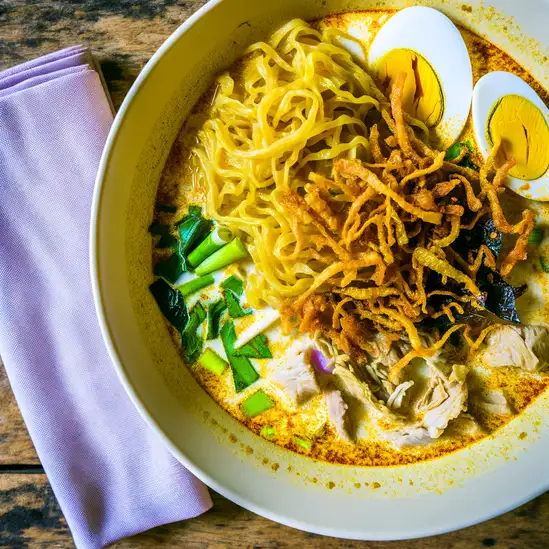

A Northern Thai coconut curry noodle soup featuring egg noodles, chicken or beef, and topped with crispy noodles and pickled mustard greens.
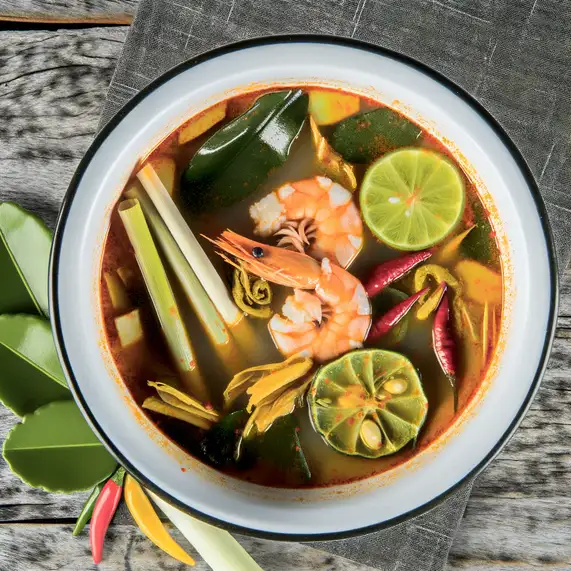
A hot and sour soup typically made with shrimp, lemongrass, kaffir lime leaves, galangal, and chili, known for its bold flavors.
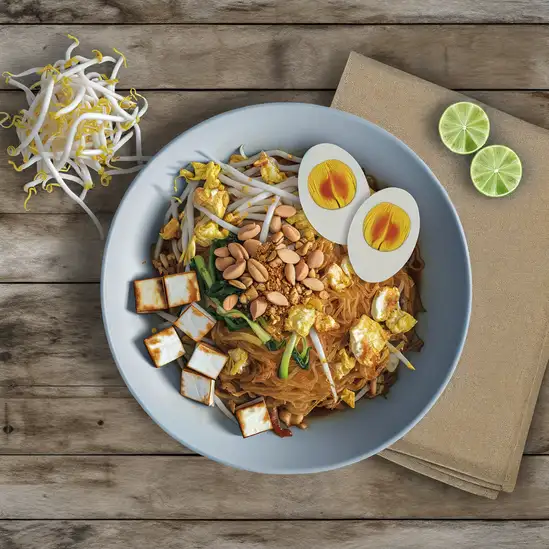
A famous stir-fried noodle dish made with rice noodles, eggs, tofu or shrimp, bean sprouts, and peanuts, often served with lime.
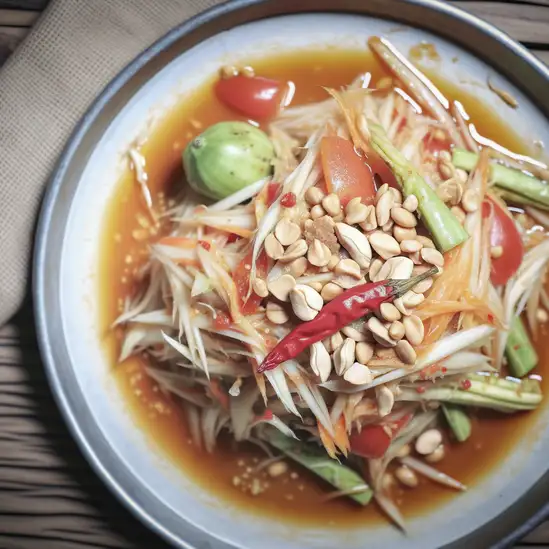
A spicy green papaya salad that combines shredded papaya, tomatoes, green beans, peanuts, and a tangy dressing made from lime and fish sauce.
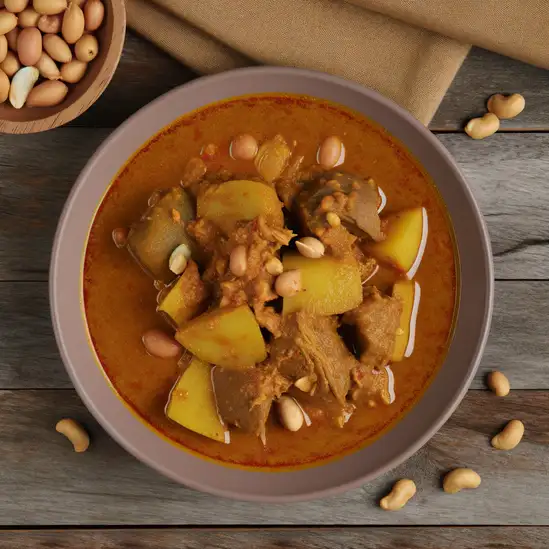
A rich and mildly spicy curry made with beef or chicken, potatoes, peanuts, and coconut milk, influenced by Indian cuisine.
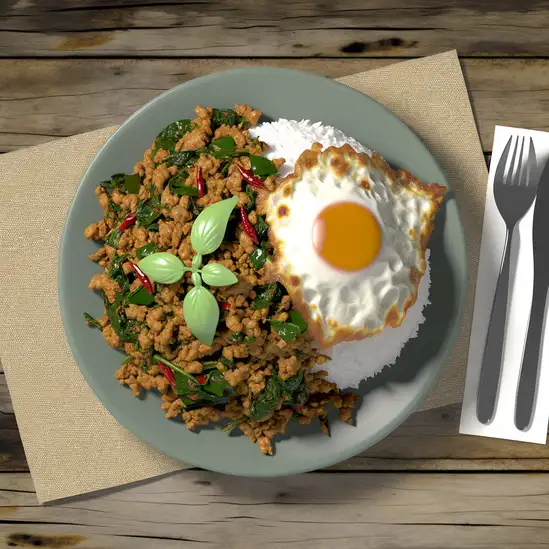
Stir-fried minced pork with holy basil, garlic, and chili, typically served over rice and topped with a fried egg.

Thai fried rice that is often cooked with vegetables, eggs, and a choice of meat, seasoned with soy sauce and served with lime.
 Thai Silk Products from Local MarketsHandmade Pottery and CeramicsTraditional Thai Herbal Compress BallsLocally Crafted Wooden CarvingsAuthentic Thai Spices and Curry PastesMiniature Tuk-Tuk SouvenirsThai-Style Hand-Painted UmbrellasLocally Made Coconut Shell HandicraftsTraditional Thai Snacks and SweetsBuddhist Amulets and Lucky Charms

Imagine stepping into a place where the air hums with the gentle rhythm of waves lapping against sun-warmed shores,and the scent of salty sea mingles with fragrant street food stalls. That’s Phuket for you—a vibrant island that feels alive in every sense. It’s not just the stunning beaches that grab you,but the way the island pulses with a laid-back energy,where colorful markets buzz with chatter and the aroma of grilled seafood fills the air. Walking through the old town,you’ll find charming Sino-Portuguese buildings painted in pastel hues,their shutters creaking softly in the tropical breeze,while tuk-tuks zip by,adding a playful soundtrack to your explorations.
Phuket’s character is a beautiful blend of tradition and liveliness. Temples with golden spires peek out from lush greenery,inviting quiet moments of reflection,while nearby,night markets burst with life—vendors calling out,sizzling woks,and the sweet tang of mango sticky rice tempting your taste buds. The island’s culture is warm and welcoming,with locals who smile easily and share stories over cups of strong Thai coffee or fresh coconut water.
What makes Phuket truly special is how it wraps you in its embrace—whether you’re watching a fiery sunset from a cliffside bar,diving into crystal-clear waters teeming with vibrant marine life,or simply savoring the spicy kick of a freshly made curry. It’s a place that invites you to slow down,soak in the colors,sounds,and flavors,and leave with a heart full of unforgettable moments.

If you find yourself wandering into Amphoe Mueang Krabi,get ready to be wrapped in a warm embrace of nature and culture that feels both vibrant and soothing. The moment you step into this lively district,the salty tang of the Andaman Sea mingles with the sweet scent of tropical flowers,setting a scene that’s as refreshing as it is inviting. The streets buzz gently with the chatter of locals and the clinking of street food stalls,where the aroma of grilled seafood and spicy herbs teases your senses and promises a feast.
What makes Mueang Krabi truly special is how effortlessly it balances its laid-back island charm with a pulse of authentic Thai life. You’ll find yourself wandering through bustling markets filled with colorful fruits,handmade crafts,and the friendly smiles of vendors eager to share stories. The rhythm of daily life here is unhurried but alive,with monks in saffron robes gliding past ancient temples,and fishermen hauling in their catch against a backdrop of limestone cliffs that rise dramatically from the turquoise waters.
Spend your days exploring hidden coves or kayaking through mangrove forests,and your evenings savoring fresh seafood at a beachside shack while the sun dips low,painting the sky in fiery hues. There’s a genuine warmth in the air—both from the tropical sun and the people—that makes you feel like you’re not just visiting,but truly belonging. Mueang Krabi isn’t just a place to see; it’s a place to feel,taste,and remember long after you’ve left.
If you’re thinking about Pattaya,imagine a place where the energy hums like the waves crashing along its shores,but with a laid-back twist that invites you to slow down and soak it all in. The city pulses with life—colorful markets buzz with chatter and the scent of grilled seafood mingles with salty sea air. As you stroll along the beach,the warm sun kisses your skin while the distant laughter of children and the rhythmic beat of live music from nearby bars create a soundtrack that feels both vibrant and welcoming.
What really makes Pattaya stand out is its blend of contrasts. You’ll find sleek,modern high-rises standing shoulder to shoulder with humble street vendors selling fresh mango sticky rice or spicy papaya salad. The city’s character is a lively mix of local Thai culture and international influences,making it a melting pot where you can dive into traditional temples one moment and then explore quirky art galleries or bustling night markets the next.
Don’t miss the chance to experience the city’s unique charm at sunset—head to a rooftop bar or the beach itself,where the sky explodes in shades of pink and orange,and the air cools just enough to make you want to linger. Pattaya isn’t just a place to visit; it’s a place to feel alive,to taste new flavors,hear new stories,and create your own unforgettable memories.
If you’re dreaming of a place where the pace slows just enough to let you breathe in the salty sea air and feel the warm sun kiss your skin,Koh Samui is that kind of magic. The island hums with a laid-back energy that’s both soothing and invigorating—like a gentle invitation to explore without rushing. Palm trees sway lazily against a backdrop of turquoise waters,and the soft crash of waves creates a soundtrack that instantly melts away any stress. Walking along the beaches,you’ll catch the scent of frangipani mingling with the faint aroma of grilled seafood from nearby beachside shacks.
What really makes Koh Samui special is its blend of vibrant local culture and natural beauty. The island’s temples,like the striking Big Buddha,offer moments of quiet reflection amid the tropical buzz. At night,the markets come alive with colorful stalls selling everything from fresh mango sticky rice to spicy papaya salad,each bite bursting with bold,fresh flavors that tell stories of the land and sea. Friendly locals greet you with warm smiles,eager to share their traditions and stories.
Beyond the beaches,there’s a wild side to Koh Samui—lush jungles with hidden waterfalls,secret viewpoints that reward you with breathtaking panoramas,and cozy cafes tucked away where you can sip rich Thai coffee while watching the world go by. It’s a place that feels both familiar and wonderfully new,where every moment invites you to slow down,savor,and soak in the island’s unique rhythm.
If you’re dreaming of a place where the sea breeze carries the scent of salt and jasmine,Hua Hin is where you want to be. This coastal town has a laid-back charm that feels both timeless and refreshingly alive. Imagine waking up to the gentle sound of waves lapping against the shore,then wandering through bustling markets where the air is thick with the aroma of grilled seafood and sweet mango sticky rice. Hua Hin isn’t just a beach town; it’s a place where tradition and modern life blend effortlessly.
Strolling along the long,sandy beach,you’ll see families flying kites,fishermen hauling in their catch,and couples sipping iced coffee at cozy beachfront cafés. The town’s character shines through its vibrant night markets,where colorful lanterns hang overhead and the chatter of locals mixes with the sizzling of street food stalls. There’s a warmth here—not just from the tropical sun,but from the genuine smiles of the people who call Hua Hin home.
What really sets Hua Hin apart is its balance. You can explore ancient temples and royal palaces,then dive into lively art galleries or unwind at a spa that feels like a secret sanctuary. Whether you’re savoring fresh seafood by the water or cycling through lush vineyards nearby,Hua Hin invites you to slow down,breathe deeply,and soak in a rhythm that’s uniquely its own.
If you find yourself wandering into Amphoe Mueang Chiang Mai,it’s like stepping into a lively tapestry woven with ancient charm and modern buzz. The moment you stroll through its old city walls,you’re greeted by the gentle hum of scooters weaving past centuries-old temples,the scent of incense mingling with sizzling street food. There’s a rhythm here that feels both peaceful and vibrant,like the city is breathing stories through its narrow lanes and bustling markets.
What really makes Chiang Mai special is how it balances tradition and creativity. You can watch monks in saffron robes collecting alms at dawn,then spend the afternoon sipping rich,locally grown coffee in a hip café filled with art and laughter. The night markets are a sensory feast—bright lanterns flicker overhead,vendors call out with friendly smiles,and the air is thick with the aroma of grilled meats,spicy papaya salad,and sweet mango sticky rice. It’s a place where every corner invites you to slow down and savor the moment.
Beyond the city’s pulse,the surrounding mountains cradle a cooler breeze and lush greenery,offering a refreshing escape from the tropical heat. But it’s the warmth of the people—their genuine smiles and easy hospitality—that truly stays with you. Chiang Mai isn’t just a destination; it’s a feeling,a place where history,culture,and everyday life blend into an unforgettable experience that keeps you coming back for more.

Tourists are lured into shops with promises of cheap, high-quality gems, but the stones are often fake or overpriced.
Scammers posing as police officers may accuse tourists of minor infractions and demand on-the-spot fines.
Unlicensed guides may approach tourists, offering tours at a high price, but provide little value or misleading information.
Tourists renting jet skis may be falsely accused of damaging the equipment and forced to pay exorbitant repair fees.
Some food vendors may charge tourists significantly higher prices than locals for the same dishes.
Crowded areas, markets, and public transport are hotspots for pickpockets targeting tourists' wallets and valuables.
Tourists are lured into tailor shops with promises of cheap, custom-made suits, but the quality is often poor, and delivery times are not honored.
Taxi drivers may refuse to use the meter and quote an inflated flat rate for the ride.
Scammers near temples may falsely claim the temple is closed and redirect tourists to other locations where they receive commissions from shops or services.
Tuk-tuk drivers may offer tourists a ride at an inflated price or claim their meter is broken, charging far more than the standard fare.

Thailand has strict drug laws, and this includes Din Daeng. The possession, use, and trafficking of illegal drugs are severely punished. Penalties can range from heavy fines to long-term imprisonment and even the death penalty for serious offenses. Tourists should avoid any involvement with illegal drugs to ensure their safety and compliance with local laws.

In Din Daeng, Thailand, smoking is regulated under the Tobacco Products Control Act. Smoking is prohibited in public places such as government offices, hospitals, educational institutions, public parks, and public transportation. Designated smoking areas are available in some locations. Violators can face fines of up to 5,000 THB. Tourists should look for designated smoking areas and avoid smoking in restricted zones to avoid penalties.

Vaping is heavily restricted in Thailand, including Din Daeng. The import, sale, and possession of e-cigarettes and vaping devices are illegal. Tourists caught with vaping devices can face severe penalties, including fines and imprisonment. It is strongly advised not to bring any vaping equipment into Thailand to avoid legal issues.
 26.8 °C / 80.24 °F
 -
- 3/5
3/5 Thai baht (THB)
What are other people saying about Din Daeng?
Recent Social posts about Din Daeng
There is nothing to show you for now.