

Sekondi-Takoradi has this vibrant,laid-back energy that instantly pulls you in. It’s a coastal city where the salty breeze mingles with the hum of daily life—fishermen hauling in their catch,street vendors calling out their wares,and the distant rhythm of drums from a nearby festival. Walking through the streets,you’ll notice colorful markets bursting with fresh tropical fruits,spices,and handcrafted goods,each stall telling a story of the local culture and creativity. What really makes Sekondi-Takoradi stand out is its blend of old and new. You can stroll along the harbor,watching fishing boats bob against the backdrop of modern oil rigs,a reminder of the city’s evolving spirit. The architecture is a charming mix of colonial-era buildings and lively street art,reflecting a community proud of its roots yet eager to embrace the future. At night,the city comes alive with music—highlife and Afrobeat melodies spilling from open windows and beachside bars,inviting you to dance or simply soak in the joyful atmosphere. And then there’s the food—oh,the food! Imagine savoring freshly grilled tilapia seasoned with local spices,paired with a side of kelewele (spicy fried plantains) while the ocean breeze cools your skin. It’s a sensory feast that captures the warmth and hospitality of the people here. Sekondi-Takoradi isn’t just a place to visit; it’s a place to feel,taste,and live for a little while.
 We are reviewing this city information
The information on this page is currently being reviewed by Tripkliq and should be used as a guide only

Eng word: Hello
Eng pronunciation: Ah-kwah-bah
Local language: Akwabaa
Eng word: Goodbye
Eng pronunciation: Nan-teh yee-yeh
Local language: Nante yiye
Eng word: Thank you
Eng pronunciation: Meh-dah-seh
Local language: Medase
Eng word: How much
Eng pronunciation: Eh-yeh sen?
Local language: Eyɛ sen?
Eng word: Toilet
Eng pronunciation: Chaw ah-fee-chee-reh
Local language: Chɔ afikyire
Eng word: Help me
Eng pronunciation: Boh-ah meh
Local language: Boa me
Eng word: Yes
Eng pronunciation: Ah-neh
Local language: Aane
Eng word: No
Eng pronunciation: Dah-bee
Local language: Dabi
Eng word: Excuse me
Eng pronunciation: Meh-pah woh cheh-oo
Local language: Mepa wo kyɛw
Sekondi-Takoradi is famously known as the 'Twin-City' because it is a merger of two distinct towns:Sekondi, which has historical roots as a fishing village, and Takoradi, which developed as a port city during colonial times.
Sekondi is home to Ghana's first railway line, built in 1898 during British colonial rule. It was constructed to transport minerals, particularly gold, from the interior to the port for export.
Takoradi Harbour, opened in 1928, was the first modern deep-water seaport in Ghana. It played a crucial role in the export of cocoa, timber, and minerals, making it a vital hub for Ghana's economy.
Sekondi was an important settlement for European traders and colonizers. The Dutch, British, and Portuguese all established trading posts in the area, leaving behind architectural and cultural influences.
Fort Orange, built by the Dutch in 1642, is one of Sekondi's most iconic historical landmarks. It was originally a trading post and later served as a lighthouse to guide ships into the harbor.
During World War II, Takoradi played a strategic role as an airbase for the Allied forces. The Takoradi Air Base was used to assemble and ferry aircraft to North Africa and Europe.
Sekondi-Takoradi is considered one of the birthplaces of Highlife music, a genre that blends African rhythms with Western instruments. The city has a rich musical heritage and has produced many renowned musicians.
The Market Circle in Takoradi is a historic and bustling commercial hub. Built during the colonial era, it remains a vibrant center for trade and a must-visit spot for tourists seeking local goods and crafts.
Sekondi-Takoradi serves as the capital of Ghana's Western Region. Its strategic location and rich history have made it a center for administration, commerce, and culture in the region.


 TrainCurrently, there is no direct train service from the airport to the main area in Sekondi-Takoradi. However, if there were a train option, it would likely be less popular due to limited availability and convenience compared to other methods.
 TaxiTaxis are widely available at the airport and are a common choice for travelers. They offer direct transport to the main area, and fares can be negotiated or metered. It's advisable to confirm the fare before starting the journey.Ride ShareRide-sharing services like Uber or Bolt are popular in Sekondi-Takoradi, providing a convenient and flexible way to reach the main area from the airport. Users can book rides via mobile apps, and the cost is typically competitive with taxis.Airport Shuttle BusAn airport shuttle bus service may be available, providing a cost-effective option for travelers. This service typically runs on a schedule and can drop passengers off at key locations in the main area.OtherPrivate car rentals are also an option for those who prefer to drive themselves. This allows for greater flexibility in travel plans, but it may not be as popular due to the need for navigation and potential unfamiliarity with local roads.


In Sekondi-Takoradi, the most common Power Adaptor is Type D, Type G.






 Various local bus companies
 Some bus stations in Sekondi-Takoradi offer luggage storage services.Sekondi-Takoradi Airport AuthorityLocated within the airport terminal,providing secure storage for luggage.Takoradi Mall ManagementLuggage storage service available at the customer service desk.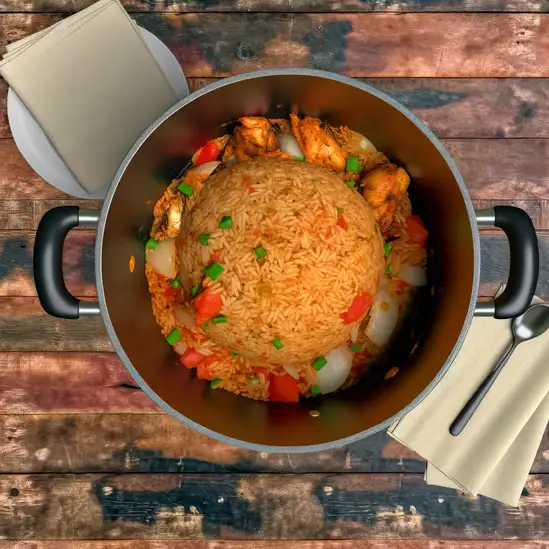

A flavorful one-pot dish made with rice, tomatoes, onions, and a variety of spices, often served with fried plantains and grilled chicken or fish.
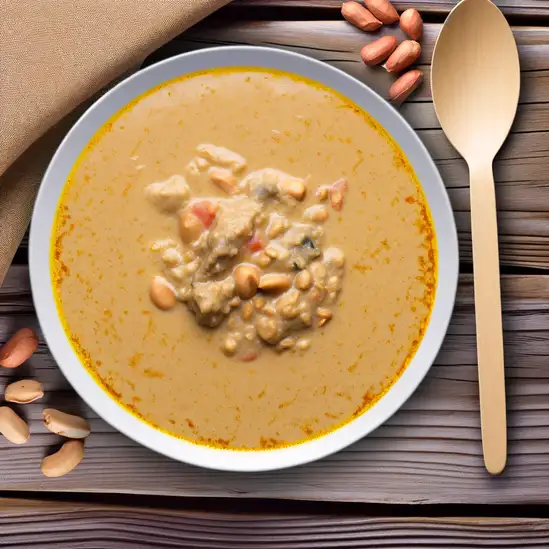
A rich and creamy soup made from ground peanuts, often served with rice balls or fufu.

Fufu is a starchy side made from pounded cassava and plantains, typically served with a spicy light soup made from meat or fish.

Banku is a fermented corn and cassava dough dish, often served with grilled tilapia and a spicy pepper sauce.

Spicy fried plantains seasoned with ginger, pepper, and other spices, often enjoyed as a snack or side dish.
.webp)
Grilled skewers of marinated meat, often served with spicy pepper sauce, popular as street food.

A hearty dish made from black-eyed peas cooked in a rich tomato sauce, typically served with fried plantains.
 Takoradi Market Circle Crafts - Handmade wooden carvings, masks, and sculptures unique to the local artisans.Kente Cloth - Traditional handwoven fabric with vibrant patterns, often sold in Sekondi-Takoradi markets.Beaded Jewelry - Locally crafted necklaces, bracelets, and earrings made from colorful Ghanaian beads.Fante Asafo Flags - Unique, hand-stitched flags used by the Fante people, showcasing their history and culture.Coconut Oil - Pure, locally produced coconut oil, a staple in the region and known for its quality.Sekondi-Takoradi Paintings - Artworks by local artists depicting the city's coastal scenery and cultural life.African Print Fabrics - Bright and bold textiles that are popular in Ghana, often sold in local shops.Handwoven Baskets - Beautifully crafted baskets made by local artisans, perfect for decoration or practical use.Ghanaian Spices - Locally sourced spices like prekese, grains of paradise, and shito (pepper sauce) for cooking.Shell Jewelry - Necklaces, bracelets, and other accessories made from seashells collected from the nearby beaches.

Accra feels like a vibrant heartbeat pulsing through the heart of Ghana—warm,lively,and endlessly inviting. From the moment you step into its bustling streets,you’re wrapped in a tapestry of sounds:the rhythmic chatter of market vendors,the distant hum of highlife music,and the occasional honk of colorful tro-tros weaving through traffic. The air carries a mix of enticing aromas—spicy jollof rice sizzling nearby,fresh grilled fish by the shore,and the earthy scent of rain-soaked earth after a sudden tropical shower.
What makes Accra truly special is its blend of tradition and modernity. You’ll find yourself wandering through vibrant markets like Makola,where fabrics burst with color and artisans craft beautiful kente cloth,then slipping into cozy cafés where young creatives sip on rich Ghanaian coffee while discussing art and politics. The city’s coastline offers a refreshing escape,with Labadi Beach’s golden sands inviting you to relax or join locals dancing to Afrobeat rhythms under the sun.
Accra’s character is deeply rooted in its people—friendly,proud,and full of stories. Whether you’re sharing a laugh over kelewele (spicy fried plantains) or exploring the historic Jamestown district with its colonial architecture and lively street art,you’ll feel a genuine connection to the city’s soul. It’s a place that doesn’t just welcome you—it embraces you,leaving you with a sense of belonging long after you’ve left.

If you ever find yourself in Ghana,Cape Coast is one of those places that wraps around you like a warm,familiar story. The moment you step into the town,there’s this gentle rhythm in the air—waves crashing softly against the shore,children’s laughter echoing through narrow streets,and the scent of spicy street food mingling with salty ocean breeze. It’s a place where history isn’t just in books; it’s alive in the weathered walls of the old forts and the soulful songs drifting from local gatherings.
Walking through Cape Coast,you’ll feel the weight and resilience of its past,especially at the Cape Coast Castle. It’s humbling and powerful,a reminder of stories that shaped not just Ghana but the world. But beyond the history,the city pulses with vibrant life—colorful markets bursting with fresh pineapples,handmade crafts,and the chatter of friendly vendors eager to share a smile or a story.
Evenings here are something special. Imagine sitting by the beach,the sky painted in shades of orange and pink,the air thick with the aroma of grilled fish and palm wine. Locals gather to dance and drum,their energy infectious,inviting you to join in. Cape Coast isn’t just a destination; it’s a feeling—a blend of reflection,warmth,and celebration that stays with you long after you leave.
The capital of Togo,Lomé is famous for its palm-lined beaches,vibrant markets,and cultural attractions. It’s a great destination for experiencing West African coastal charm.
ExploreKnown as the 'Paris of West Africa,' Abidjan is a modern city with a lively arts scene,stunning lagoons,and attractions like Banco National Park. It’s a hub for culture and nature lovers.
ExploreThe capital city of The Gambia,Banjul is a gateway to the country’s beautiful islands and beaches. It’s known for its rich history,wildlife,and serene coastal atmosphere.
ExploreIf you ever find yourself in Dakar,get ready to be swept up by a city that pulses with energy and warmth from the moment you arrive. There’s this vibrant rhythm in the air—music spilling out from open windows,the chatter of street vendors,and the scent of grilled fish mingling with the salty ocean breeze. Dakar feels alive,like a place where tradition and modern life dance effortlessly together. Walking through its bustling markets,you’ll see colorful fabrics fluttering in the sun,hear the lively bargaining in Wolof,and taste the rich,spicy flavors of thieboudienne,Senegal’s beloved fish and rice dish.
What really makes Dakar special is its people—their friendliness and pride in their culture shine through in every smile and conversation. The city’s art scene is electric,with murals and galleries showcasing bold,contemporary African creativity alongside deep-rooted heritage. At night,the city transforms; the sounds of mbalax music invite you to join locals in dance,and the coastline lights up with cafés and bars where stories flow as freely as the drinks.
Dakar is a city of contrasts and connections—where the Atlantic Ocean meets bustling streets,where history whispers from colonial buildings and the spirit of independence hums in the air. It’s a place that invites you to slow down,soak in the colors,sounds,and tastes,and leave with a heart full of new stories. Trust me,once you’ve felt Dakar’s vibe,it stays with you long after you’ve left.


Individuals approach tourists claiming to represent a local charity or orphanage, asking for donations that never reach the intended cause.
Tourists are offered attractive exchange rates by street money changers, only to receive counterfeit or less money than agreed upon.
Scammers impersonate police officers or government officials, accusing tourists of minor infractions and demanding bribes to avoid trouble.
Vendors sell counterfeit or low-quality items as authentic local crafts at inflated prices to unsuspecting tourists.
Scammers pose as local tour guides and offer to show tourists around, only to overcharge them or lead them to overpriced shops where they get a commission.
Tourists using public internet cafes may have their personal information stolen or be overcharged for services.
Restaurants or street vendors may inflate prices for tourists or add hidden charges to the bill.
Taxi drivers may not use meters and charge tourists significantly higher fares than locals for the same distance.
Thieves target tourists in crowded areas, markets, or bus stations, stealing wallets, phones, or bags.
Scammers build relationships with tourists online or in person, then request money for emergencies or travel expenses.

The possession, use, or trafficking of illegal drugs is strictly prohibited in Ghana, including Sekondi-Takoradi. Penalties for drug-related offenses are severe and can include long prison sentences or heavy fines. Tourists should avoid any involvement with illegal drugs and ensure that any prescription medications they carry are accompanied by proper documentation.

In Sekondi-Takoradi, as in the rest of Ghana, smoking in public places such as restaurants, bars, public transport, and workplaces is generally prohibited under the Public Health Act,2012 (Act 851). Tourists should be mindful of designated smoking areas and avoid smoking in non-smoking zones to avoid fines or penalties.

Vaping is not as widely regulated in Ghana as smoking, but it is generally treated with the same caution. Tourists should avoid vaping in public spaces or areas where smoking is prohibited, as local authorities may apply similar restrictions to vaping.
 24.2 °C / 75.56 °F
 539548
 3/5
3/5 Ghanaian Cedi (GHS)
What are other people saying about Sekondi-Takoradi?
Recent Social posts about Sekondi-Takoradi
There is nothing to show you for now.