

City page is loading...
Imagine stepping onto Gili Meno and instantly feeling the world slow down. This tiny island in Indonesia has this gentle,laid-back rhythm that wraps around you like a soft breeze. The air carries a mix of salty ocean spray and the sweet scent of frangipani flowers blooming nearby. As you wander along powdery white beaches,the turquoise water laps quietly at your feet,inviting you to dive in and explore vibrant coral reefs teeming with colorful fish. It’s the kind of place where time feels elastic—stretching out so you can savor every moment. What really sets Gili Meno apart is its peacefulness. Unlike its livelier neighbors,this island feels like a sanctuary. You’ll hear the soft rustle of palm leaves,the distant chatter of friendly locals,and the occasional clink of a boat’s oar against the water. The island’s small community is warm and welcoming,with a simple way of life that’s deeply connected to the sea. Local fishermen still bring in their catch daily,and you can taste that freshness in the seafood grilled right on the beach,paired with spicy sambal that tingles your tongue. Evenings here are magical. Picture sitting on the sand,watching the sun melt into the horizon,painting the sky in shades of pink and gold,while the stars begin to twinkle above. It’s a place to breathe,to connect—with nature,with people,and with yourself. If you’re craving a break from the noise and a chance to recharge in a truly serene setting,Gili Meno quietly waits with open arms.
 We are reviewing this city information
The information on this page is currently being reviewed by Tripkliq and should be used as a guide only


Eng word: Hello
Eng pronunciation: HAH-loh
Local language: Halo
Eng word: Goodbye
Eng pronunciation: suh-LAH-maht TING-gahl
Local language: Selamat tinggal
Eng word: Thank you
Eng pronunciation: teh-REE-mah KAH-see
Local language: Terima kasih
Eng word: How much
Eng pronunciation: buh-RAH-pah
Local language: Berapa
Eng word: Toilet
Eng pronunciation: TOY-let
Local language: Toilet
Eng word: Help me
Eng pronunciation: TOH-long SAH-yah
Local language: Tolong saya
Eng word: Yes
Eng pronunciation: YAH
Local language: Ya
Eng word: No
Eng pronunciation: TEE-dahk
Local language: Tidak
Eng word: Excuse me
Eng pronunciation: puhr-MEE-see
Local language: Permisi
Gili Meno, along with its sister islands Gili Trawangan and Gili Air, was formed thousands of years ago through volcanic activity and coral reef development. These islands are part of the Lombok Strait, which separates the islands of Bali and Lombok.
Gili Meno is home to the Sasak people, the indigenous ethnic group of Lombok. Visitors can experience traditional Sasak culture, including their unique language, crafts, and culinary traditions.
Gili Meno has been a focal point for marine conservation efforts. The island is surrounded by coral reefs that are part of a protected marine park, making it a popular destination for snorkeling and diving enthusiasts.
Established in the early 2000s, the Gili Meno Bird Park is a sanctuary for various bird species. It serves as an educational and conservation center, attracting bird watchers and nature lovers.
Gili Meno, like the other Gili Islands, has a strict no motorized vehicle policy. This has helped preserve the island's natural beauty and tranquility, making it a peaceful retreat for visitors.
Historically, Gili Meno was known for its salt production. The island's salt flats were an important resource for the local economy, and remnants of this industry can still be seen today.
The island features a unique saltwater lake in its interior. This lake is a natural habitat for various bird species and adds to the island's ecological diversity.
Tourism on Gili Meno began to develop in the late 20th century. The island has since become a popular destination for travelers seeking a quieter alternative to the more bustling Gili Trawangan.
Gili Meno is known for its local handicrafts, including woven textiles and handmade jewelry. These crafts are often sold in local markets and provide a source of income for the island's residents.


 TrainThere are no trains in Gili Meno, Indonesia. Therefore, taking a taxi or ride-sharing service would be the best option for traveling from the airport area to the main place.
 TaxiThe most convenient and quickest option to get from the airport area to the main place in Gili Meno is by taking a taxi. Taxis are readily available at the airport and can take you directly to your destination.Ride ShareAnother option is to use a ride-sharing service like Grab or Gojek. These services can be more cost-effective than taxis and offer a convenient way to travel to the main area.Airport Shuttle BusSome airports may offer shuttle bus services to transport passengers to the main areas of the city. Check with the airport authorities for more information on availability and schedules.


In Gili Meno, the most common Power Adaptor is Type C, Type F.






 Gili Meno Airport has luggage lockers available for travelers
 Location not specified
 Price not specified
 Opening hours: for travelersGili Meno Beach Resort provides luggage storage services for guests staying at the resortthe room rate and the lockers are located near the reception areaPrice not specifiedNo additional informationGili Meno Harbor offers luggage storage facilities for tourists arriving by boatLocation not specifiedPrice not specifiedNo additional information

A flavorful fried rice dish often served with vegetables, chicken, or seafood, and topped with a fried egg.
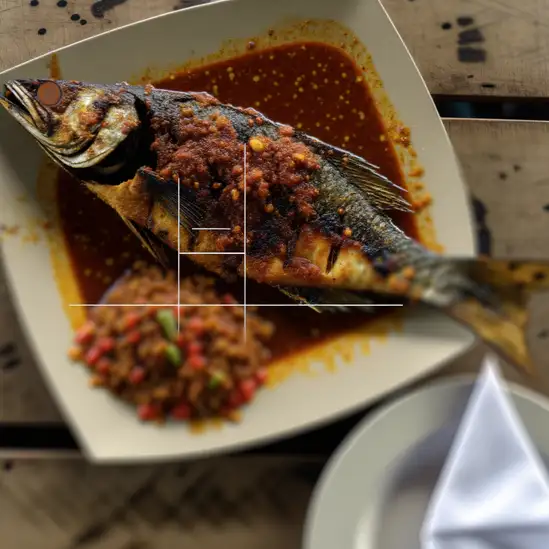
Grilled fish marinated in a blend of spices, often served with sambal (spicy sauce) and rice.
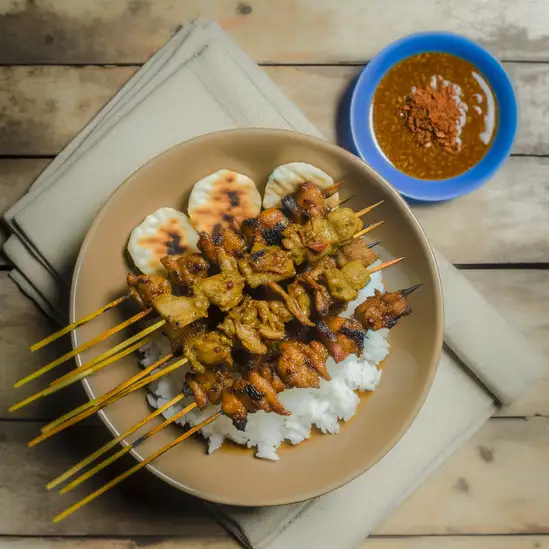
Grilled chicken skewers marinated in a rich peanut sauce, often served with rice cakes and cucumber.
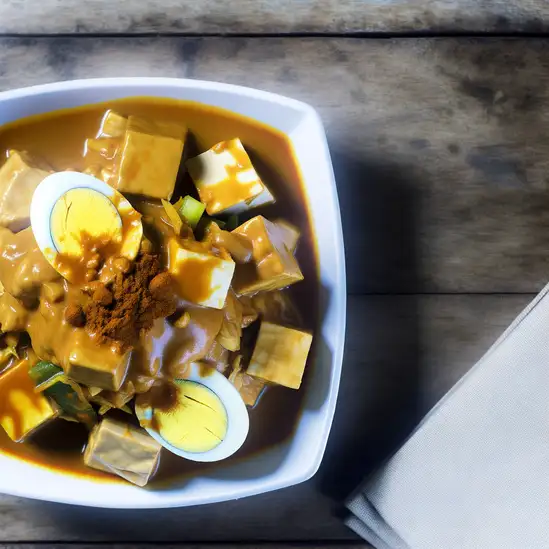
A salad of boiled vegetables, tofu, and hard-boiled eggs, topped with a creamy peanut sauce.
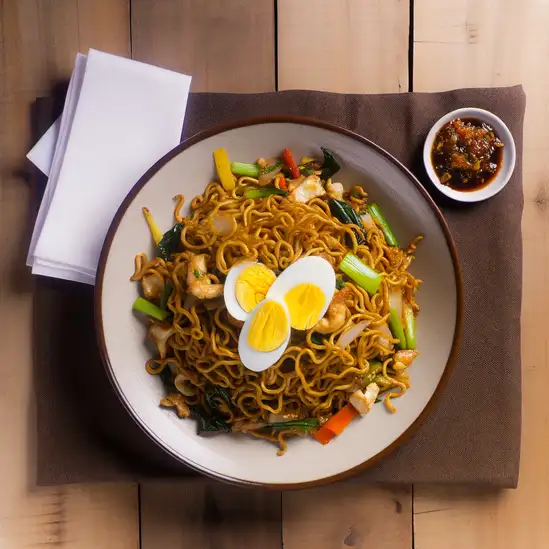
Indonesian fried noodles stir-fried with vegetables, eggs, and a choice of meat, seasoned with soy sauce and spices.

A slow-cooked beef dish in a rich and spicy coconut milk sauce, known for its deep flavors.

Fermented soybean cake that is often fried or grilled, served as a side dish or main protein source.
 Handcrafted seashell jewelryLocally made sarongs with traditional Indonesian patternsCoconut shell handicraftsGili Meno-themed postcards and artworkNatural sea salt harvested from the islandHand-carved wooden figurines of marine lifeEco-friendly bamboo straws and utensilsLocally produced essential oils and natural soapsTraditional woven baskets and bagsCustom-made snorkeling or diving souvenirs with Gili Meno branding


If you find yourself wandering through Kota Denpasar,you’ll immediately notice its lively heartbeat—a city that hums with everyday life yet carries a deep cultural rhythm beneath the surface. It’s not the polished tourist hub like southern Bali,but that’s exactly what makes it so captivating. The streets buzz with scooters weaving through markets where the scent of fresh spices mingles with the earthy aroma of tropical fruits. Vendors call out in warm,melodic tones,inviting you to taste something new or simply share a smile.
Denpasar feels like the authentic soul of Bali,where tradition and modern life dance side by side. You’ll see women in vibrant kebayas carrying offerings to temples,while nearby,young artists sketch murals that splash color onto old walls. The city’s pulse is both chaotic and comforting,with the clatter of street food stalls serving up fragrant nasi campur and the gentle chime of temple bells weaving through the air.
What’s truly special is how Denpasar invites you to slow down and soak in its layers—whether it’s the warmth of a local’s greeting,the taste of freshly brewed Balinese coffee,or the sight of intricate carvings on ancient temples tucked between bustling streets. It’s a place where you don’t just visit; you become part of the daily story,feeling the city’s spirit in every step you take.
If you ever find yourself craving a place where time slows down just enough to savor every moment,Ubud is that kind of sanctuary. Nestled in the lush heart of Bali,this town hums with a gentle rhythm—part spiritual retreat,part creative hub. Walking through its streets,you’ll catch the scent of frangipani and incense mingling with the earthy aroma of wet rice fields nearby. The air feels alive,filled with the soft chatter of locals,the distant clink of gamelan music,and the occasional call of a rooster greeting the dawn.
Ubud’s charm lies in its seamless blend of tradition and artistry. Temples with intricate stone carvings peek through vibrant greenery,while open-air markets burst with colorful textiles,hand-carved masks,and fresh tropical fruits. You can sip on a rich,earthy cup of Balinese coffee at a cozy café,watching artisans craft delicate silver jewelry or dancers rehearsing for an evening performance. It’s a place where culture isn’t just observed—it’s lived and breathed.
What really stays with you is the warmth of the people and the sense of connection to nature and spirit. Whether you’re wandering through the terraced rice paddies,joining a yoga class overlooking the jungle,or simply sitting by the Campuhan Ridge Trail at sunset,Ubud invites you to slow down,breathe deeply,and soak in a world that feels both ancient and vibrantly alive.
Labuan Bajo feels like stepping into a vibrant postcard where the sea meets rugged hills,and every sunset paints the sky in fiery oranges and pinks. When you arrive,there’s this laid-back energy that wraps around you—locals chatting over fresh fish markets,the salty breeze mingling with the scent of tropical flowers,and boats bobbing gently in the harbor. It’s a place where time slows down just enough for you to soak in the simple beauty of island life.
Walking through the town,you’ll hear the lively chatter of fishermen,the clinking of glasses at cozy beachfront cafes,and the distant call of exotic birds. The streets are dotted with colorful warungs serving up spicy sambal and freshly grilled seafood that tastes like it was caught just moments ago. There’s a warmth in the smiles of the people here,a genuine friendliness that makes you feel instantly welcome.
What really sets Labuan Bajo apart is its gateway to the Komodo National Park. Beyond the town’s charm,you can dive into crystal-clear waters teeming with vibrant coral reefs or trek through dry savannahs to spot the legendary Komodo dragons. It’s a place where adventure and tranquility coexist,where you can lose yourself in nature’s wonders and then return to a hammock overlooking the calm sea,feeling utterly content. Trust me,Labuan Bajo isn’t just a destination—it’s an experience that stays with you long after you leave.
If you find yourself wandering through Kota Administrasi Jakarta Pusat,you’ll immediately notice the pulse of a city that’s both historic and buzzing with modern energy. It’s a place where colonial-era buildings stand shoulder to shoulder with sleek skyscrapers,creating a fascinating blend of old and new. Walking down the streets,you can almost hear the echoes of history mingling with the chatter of office workers and street vendors. The air carries a mix of aromas—from the rich,spicy scent of street food stalls grilling satay to the faint,comforting smell of freshly brewed kopi from tiny warungs tucked in corners.
What really makes Jakarta Pusat special is its vibrant character. It’s the heart of the city’s administrative and cultural life,so you’ll find a lively mix of people—government officials,artists,students,and families—all weaving their stories into the urban fabric. The bustling markets,like Pasar Baru,invite you to haggle over colorful textiles and local snacks,while nearby museums and galleries offer a quiet retreat into Indonesia’s rich heritage.
There’s a rhythm here that’s both fast-paced and inviting. Whether you’re sipping a sweet es cendol under the shade of a tree in Merdeka Square or catching the golden light reflecting off the National Monument at dusk,Jakarta Pusat feels alive in a way that’s deeply human and endlessly fascinating. It’s a city that invites you to slow down,look around,and soak in the layers of life unfolding all at once.
Surabaya pulses with an energy that’s both vibrant and welcoming,a city where history and modern life dance side by side. As you wander through its bustling streets,you’ll catch the scent of sizzling satay mingling with the salty breeze from the nearby harbor. The city hums with the chatter of locals bargaining in lively markets,the clatter of motorbikes weaving through traffic,and the distant call of street vendors selling fresh tropical fruits. It’s a place where every corner tells a story—from colonial-era buildings standing proudly alongside sleek skyscrapers to colorful murals that splash life onto old walls.
What really makes Surabaya special is its character:tough yet warm,a city that’s seen its share of history but never lost its heart. The people here are fiercely proud and incredibly friendly,always ready to share a smile or a recommendation for the best local warung. Dive into the food scene and you’ll find yourself savoring rich,spicy flavors—like the famous rawon,a dark beef soup that’s both comforting and bold,or the sweet,sticky lontong balap that fills the air with fragrant spices.
Evenings in Surabaya have their own magic. The city lights flicker on,and the streets fill with the sounds of gamelan music drifting from cultural performances or the laughter spilling out of cozy cafes. Whether you’re exploring the historic old town or simply sipping kopi on a street corner,Surabaya invites you to slow down,soak in its layers,and feel the heartbeat of a city that’s alive in every sense.
If you ever find yourself craving a place where the ocean breeze carries the scent of sizzling street food and the hum of lively markets fills the air,Makassar should be at the top of your list. This city pulses with a laid-back energy that feels both vibrant and welcoming,like a friend inviting you to slow down and savor the moment. Walking along the waterfront,you’ll catch glimpses of traditional wooden phinisi boats bobbing gently,their sails catching the golden light of sunset,while fishermen call out to one another in a melodic rhythm that feels timeless.
Makassar’s streets are a feast for the senses. The aroma of grilled seafood—freshly caught and seasoned with local spices—wafts from warungs lining the alleys,tempting you to try coto Makassar,a rich,aromatic beef soup that locals swear by. The city’s mix of Bugis and Makassarese cultures shines through in its colorful markets,where vibrant textiles,handcrafted jewelry,and lively banter create a tapestry of daily life that’s both authentic and inviting.
What really makes Makassar stand out is its blend of old and new. You can explore centuries-old forts and mosques,then hop over to a bustling café where young creatives gather,blending tradition with modern flair. It’s a place where every corner tells a story,and every meal feels like a celebration. Trust me,Makassar isn’t just a stopover—it’s a place that stays with you long after you’ve left.

Tourists may book accommodations online, but upon arrival, they are told the room is unavailable and are redirected to a more expensive or lower-quality option.
Tourists renting bicycles may be falsely accused of causing damage to the bike and are forced to pay exorbitant repair fees.
Some currency exchange kiosks offer attractive rates but use sleight-of-hand techniques to shortchange tourists or charge hidden fees.
Scammers may pose as representatives of turtle conservation projects or other charities, collecting donations that do not go to the intended cause.
Some operators offer snorkeling tours at a low price but fail to deliver the promised experience, such as skipping key spots or providing substandard equipment.
Tourists are sometimes charged inflated prices for boat transfers to and from Gili Meno. Some operators may claim there are no other options or that the cheaper boats are unavailable.
Some restaurants or beachside vendors may charge tourists significantly higher prices than locals, sometimes without displaying menus or prices upfront.
Unlicensed guides may offer tours but provide little value, incorrect information, or even abandon tourists partway through the tour.

Indonesia has very strict laws regarding drugs. Possession, use, or trafficking of illegal drugs can result in severe penalties, including long prison sentences and even the death penalty. Tourists should be extremely cautious and avoid any involvement with illegal drugs while in Gili Meno or anywhere else in Indonesia.

In Gili Meno, as in the rest of Indonesia, smoking is generally allowed in public places, but there are restrictions in certain areas such as public transportation, healthcare facilities, and educational institutions. Many restaurants and hotels may have designated smoking areas. It's always best to look for signs or ask if you're unsure.

Vaping is less regulated than smoking in Indonesia, but it is still subject to some restrictions. Similar to smoking, vaping is generally allowed in public places but may be restricted in certain areas like public transportation, healthcare facilities, and educational institutions. Always check for signs or ask if vaping is permitted.
 28.3 °C / 82.94 °F
 500
500 4/5
4/5 Indonesian Rupiah (IDR)
What are other people saying about Gili Meno?
Recent Social posts about Gili Meno
There is nothing to show you for now.