

If you find yourself wandering through Győri Járás,you’ll immediately notice a warm,inviting rhythm to the place—like the city itself is breathing with a gentle,steady pulse. It’s not just the charming baroque architecture or the way the sunlight dances off the Danube’s waters; it’s the hum of everyday life blending with history. Strolling through the cobbled streets,you’ll catch the scent of fresh pastries mingling with the earthy aroma of nearby parks,while the distant chatter of locals at a café spills into the air,making you feel like you’ve stepped into a living storybook. Győr’s character is a beautiful mix of old-world charm and vibrant modernity. The city wears its history proudly,with stunning churches and quaint squares that invite you to pause and soak in the atmosphere. But it’s also alive with youthful energy—art galleries,cozy wine bars,and lively markets where you can taste local cheeses and sip on crisp Hungarian wines. The people here have a genuine warmth,always ready with a smile or a story,which makes every encounter feel personal and memorable. What really sets Győri Járás apart is how effortlessly it balances relaxation and discovery. You can lose yourself in quiet moments by the river,watching boats drift lazily by,or dive into the buzz of a weekend festival filled with music and laughter. It’s a place that invites you to slow down,breathe deeply,and savor the simple joys of life—something that stays with you long after you’ve left.
 We are reviewing this city information
The information on this page is currently being reviewed by Tripkliq and should be used as a guide only


Eng word: Hello
Eng pronunciation: See-ya
Local language: Szia
Eng word: Goodbye
Eng pronunciation: Vees-laht
Local language: Viszlát
Eng word: Thank you
Eng pronunciation: Kuh-suh-nuhm
Local language: Köszönöm
Eng word: How much
Eng pronunciation: Men-yee-beh keh-rool
Local language: Mennyibe kerül
Eng word: Toilet
Eng pronunciation: Vay-tsay
Local language: WC
Eng word: Help me
Eng pronunciation: Sheg-eet-sheg
Local language: Segítség
Eng word: Yes
Eng pronunciation: Ee-gen
Local language: Igen
Eng word: No
Eng pronunciation: Nem
Local language: Nem
Eng word: Excuse me
Eng pronunciation: El-ney-zesht
Local language: Elnézést
Győr, known as Arrabona during Roman times, was an important military outpost and trade hub in the Roman Empire. Visitors can still see remnants of Roman walls and artifacts in the city.
Győr is often called the 'City of Rivers' and is renowned for its Baroque-style architecture. The city center is filled with beautifully preserved Baroque buildings, including the Bishop's Castle and the Carmelite Church.
The Cathedral Basilica of the Assumption of Our Lady, also known as Győr Cathedral, is a stunning historical landmark. It houses the revered Weeping Madonna painting, which is said to have shed tears of blood in 1697.
Győr played a significant role during the Ottoman Wars as a strategic fortress city. The city's fortifications were strengthened in the 16th century, and parts of these defenses can still be explored today.
In 1809, Győr was the site of the Battle of Raab, where Napoleon's forces clashed with the Austrian army. The battle is commemorated in local history, and visitors can learn about it at the city's museums.
During the 19th century, Győr experienced significant industrial and cultural growth. The construction of railways and factories transformed the city into an important economic center in Hungary.
Széchenyi Square is the heart of Győr's historic old town. Surrounded by Baroque buildings, it is a vibrant spot for tourists to enjoy local cafes, markets, and cultural events.
Located near Győr, the Pannonhalma Archabbey is a UNESCO World Heritage Site. Founded in 996, it is one of the oldest historical monuments in Hungary and a must-visit for history enthusiasts.
Győr is uniquely situated at the confluence of three rivers:the Danube, Rába, and Rábca. This picturesque setting has shaped the city's history and offers beautiful riverfront views for visitors.


 TrainWhile not the most direct option, taking a train from a nearby station can be a scenic and enjoyable way to travel. However, it may require additional transfers and time, making it less popular for those seeking convenience.TaxiTaxis are readily available at the airport and provide a direct route to the main area. They are a reliable option, though potentially more expensive than ride-sharing services. Payment can usually be made in cash or by card.Ride ShareRide-sharing services like Uber or Bolt are popular for their convenience and ease of use. Passengers can book a ride via a mobile app, and drivers typically arrive quickly. This option allows for direct transport to the desired location in Győri Járás.Airport Shuttle BusThe airport shuttle bus offers a cost-effective way to travel to the main area. It operates on a fixed schedule and can accommodate multiple passengers, making it a good option for those traveling on a budget.OtherBicycle rentals are available for those who prefer an eco-friendly option. This method allows for flexibility and exploration of the area, but it may not be suitable for all travelers, especially with luggage.


In Győri Járás, the most common Power Adaptor is Type C, Type F.






 Provider:Airport luggage services
 Terminal 2
 Price not specified
 No additional informationProvider:VolánbuszLocation not specifiedPrice not specifiedOpening hours: during bus station hoursProvider:Local businessesthe city centerPrice not specifiedNo additional informationProvider:MÁV-STARTvarious sizesPrice not specifiedOpening hours: in various sizes,monitored by security cameras,accessible during station hours

A deep-fried flatbread typically topped with sour cream and cheese, popular as a street food snack.


A sweet, spiral-shaped pastry cooked over an open flame, often coated with sugar and cinnamon.

A traditional Hungarian stew made with meat, onions, and paprika, often served with dumplings or bread.

Stuffed cabbage rolls filled with a mixture of meat and rice, cooked in a savory tomato sauce.

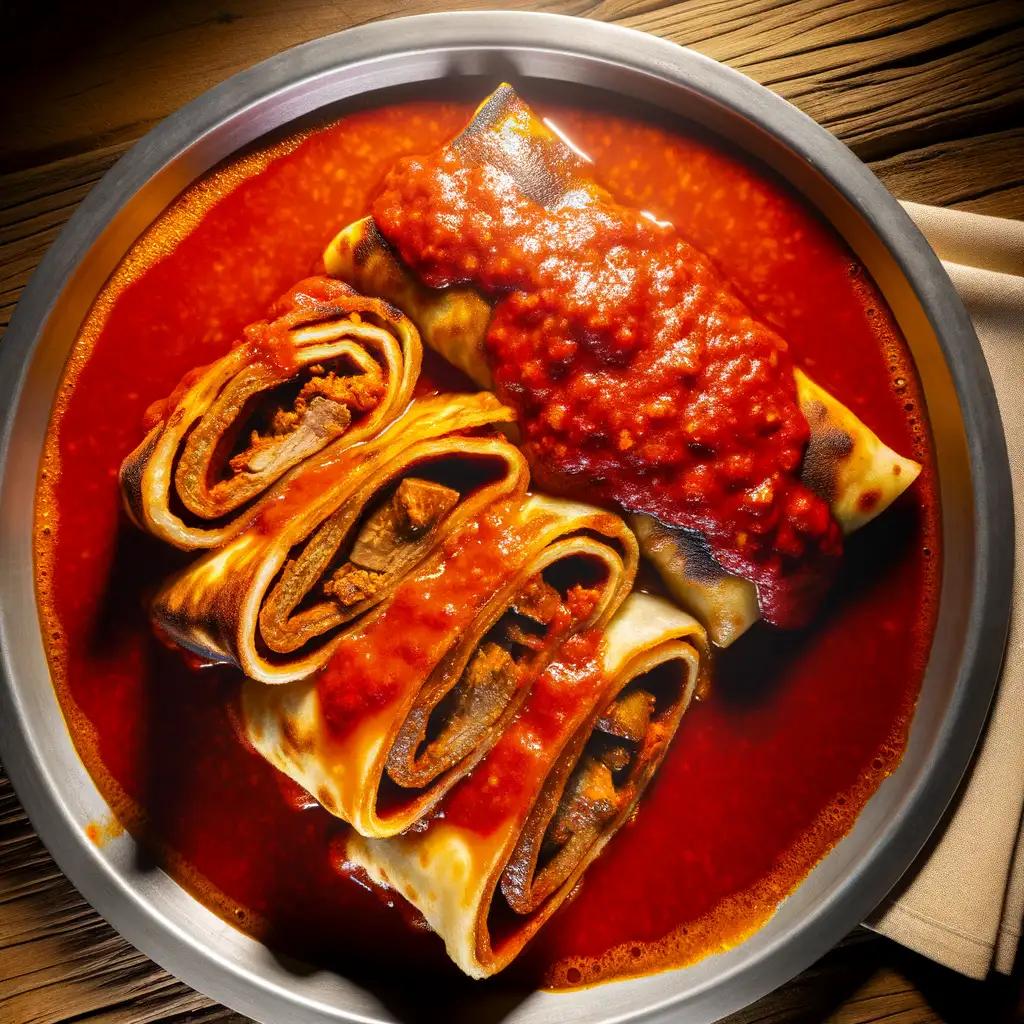
Savory pancakes filled with meat, rolled up, and baked with a paprika sauce.
 Győr Marzipan Sweets - Handcrafted marzipan treats from local confectioneries, often shaped into intricate designs.Herend Porcelain - While not exclusive to Győr, this world-famous Hungarian porcelain is often available in specialty shops in the city.Győr Cathedral Souvenirs - Miniature replicas or artwork inspired by the Basilica of Győr, a significant religious and architectural landmark.Pannonhalma Abbey Wines - High-quality wines from the nearby Pannonhalma Archabbey, a UNESCO World Heritage site.Handmade Hungarian Embroidery - Traditional embroidered textiles, such as tablecloths or napkins, showcasing Hungarian folk art.Győr Thermal Spa Products - Locally made bath salts or skincare products inspired by the city's thermal waters.Baroque-Style Jewelry - Unique jewelry pieces inspired by Győr's Baroque architecture and history.Local Paprika and Spices - Authentic Hungarian paprika and spice blends, often packaged in decorative containers.Artisanal Ceramics - Handcrafted pottery and ceramics made by local artisans, reflecting Hungarian craftsmanship.Győr Cityscape Artwork - Paintings, prints, or postcards featuring the picturesque streets and landmarks of Győr.

Budapest feels like stepping into a storybook where history and modern life dance together effortlessly. The moment you stroll along the Danube River,with the majestic Parliament building glowing in the evening light,you sense a city that’s both grand and inviting. There’s a rhythm here—street musicians playing haunting melodies,the clinking of glasses in cozy ruin pubs,and the gentle splash of thermal baths that have been soothing locals for centuries. It’s a place where every corner whispers tales of empires past,yet pulses with youthful energy.
Wandering through the cobbled streets of the Castle District,you catch the scent of fresh pastries mingling with the earthy aroma of old stone walls. The vibrant markets buzz with vendors selling paprika,fresh bread,and sweet chimney cakes,tempting you to taste the rich flavors of Hungarian cuisine. Budapest’s character shines brightest in its contrasts:the elegant Art Nouveau cafés sit side by side with edgy street art,and the grand boulevards lead you to intimate courtyards where locals sip coffee and chat animatedly.
What makes Budapest truly unforgettable is how it wraps you in warmth—whether it’s the steamy embrace of a thermal bath on a chilly day or the friendly chatter in a bustling café. It’s a city that invites you to slow down,savor every moment,and discover stories hidden in its architecture,food,and people. Trust me,once you’ve felt Budapest’s pulse,you’ll carry a piece of it with you long after you leave.
Vienna feels like stepping into a living storybook where every street hums with history and charm. The moment you wander through its grand boulevards,you’re wrapped in a warm embrace of baroque architecture,cozy coffeehouses,and the gentle melodies of street musicians playing waltzes nearby. There’s a rhythm to the city — elegant yet inviting — where the past and present dance together effortlessly.
As you stroll along the Danube or through the lush gardens of Schönbrunn Palace,you catch the scent of freshly baked strudel mingling with the earthy aroma of roasted coffee beans from a nearby café. The city’s café culture is something special; sitting down with a slice of Sachertorte and a strong Viennese coffee feels like a small,delicious ritual. You’ll hear the soft clink of porcelain cups and the murmur of locals deep in conversation,making you feel instantly at home.
Vienna’s character is a blend of refined artistry and genuine warmth. It’s a place where grand opera houses and modern galleries coexist,and where the locals’ pride in their musical heritage is palpable. Whether you’re exploring the vibrant Naschmarkt with its colorful stalls or catching a live performance in a centuries-old concert hall,Vienna invites you to slow down,savor the moment,and soak in its timeless elegance.

If you find yourself wandering through Okres Bratislava III,you’ll quickly notice it’s a place where the old and new dance effortlessly together. The vibe here is relaxed but alive,like a quiet hum of everyday life punctuated by bursts of laughter from cozy cafés and the distant chime of church bells. Strolling down its leafy streets,you’ll catch the scent of fresh pastries mingling with the earthy aroma of nearby parks,inviting you to slow down and savor the moment.
The character of Bratislava III is deeply rooted in its community spirit. Locals greet each other with warm smiles,and the markets buzz with vendors selling everything from vibrant flowers to homemade cheeses. It’s a place where history whispers from the walls of charming,pastel-colored buildings,yet the energy feels refreshingly modern. You might find yourself lingering over a cup of rich Slovak coffee,watching families and friends gather in sun-dappled squares,sharing stories and laughter.
What makes this district truly special is how it balances tranquility with a subtle pulse of creativity. Art galleries and small theaters pop up alongside traditional pubs,offering a taste of the city’s cultural heartbeat. Whether you’re savoring a hearty bryndzové halušky or simply soaking in the golden light filtering through the trees,Okres Bratislava III invites you to experience Slovakia in a way that feels both intimate and alive.
Prague feels like stepping into a storybook where every corner hums with history and charm. The moment you wander onto the cobblestone streets of the Old Town,you’re wrapped in a warm,timeless embrace. The air carries a mix of fresh-baked pastries and rich coffee from cozy cafés,mingling with the faint scent of aged wood and stone from centuries-old buildings. As you stroll across the iconic Charles Bridge,the soft murmur of the Vltava River below blends with the distant melodies of street musicians,creating a soundtrack that’s both lively and soothing.
What’s truly captivating about Prague is its effortless blend of old and new. Gothic spires and baroque facades stand proudly alongside vibrant street art and bustling markets. The city pulses with a creative energy,from the quirky art galleries tucked away in narrow alleys to the lively beer gardens where locals and travelers clink glasses over hearty Czech fare. There’s a genuine warmth in the way people share their culture,whether it’s through a friendly chat in a pub or an invitation to a traditional music performance.
At night,Prague transforms into a magical place where the city lights dance on the river’s surface and the aroma of roasted chestnuts fills the air. It’s a city that invites you to slow down,savor every moment,and get lost in its stories. Trust me,once you’ve experienced Prague’s unique rhythm and soul,it stays with you long after you’ve left.
Imagine wandering through a city where the old world gently brushes against the new,and every corner hums with a quiet,inviting energy—that’s Zagreb. From the moment you step into its cobbled streets,you’re wrapped in a warm,lived-in charm. The air carries the scent of fresh coffee mingling with blooming linden trees,while the distant chatter from open-air cafés spills into the streets,inviting you to slow down and savor the moment. Zagreb doesn’t shout for attention; it welcomes you like an old friend,with a smile and a story.
The city’s character is a delightful blend of Austro-Hungarian elegance and vibrant Croatian spirit. Strolling through the Upper Town,you’ll catch glimpses of medieval towers and baroque facades,while the Lower Town buzzes with modern life—art galleries,quirky boutiques,and lively markets where you can taste local cheeses,honey,and the unmistakable sweetness of fresh figs. Music often drifts from street performers,adding a soundtrack to your exploration that feels both spontaneous and soulful.
What makes Zagreb truly special is its rhythm—unhurried yet alive. Whether you’re sipping a glass of robust Croatian wine in a cozy tavern or watching the sunset paint the rooftops in shades of gold and rose,there’s a sense of belonging here. It’s a city that invites you to not just see it,but to feel it,to become part of its story,even if just for a little while.
If you find yourself wandering through Slovenia,Opčina Ljubljana-Bežigrad offers a refreshing slice of everyday life with a quietly vibrant pulse. It’s not the flashy heart of Ljubljana,but that’s exactly what makes it feel so genuine—like stepping into a neighborhood where locals greet each other by name and the rhythm of daily life unfolds at a comfortable pace. As you stroll along its streets,you’ll catch the scent of fresh coffee mingling with the earthy aroma of nearby parks,while the chatter of friendly conversations drifts from cozy cafés and bustling markets.
The architecture here is a charming mix of old and new,with quaint houses standing shoulder to shoulder with modern buildings,reflecting a community that honors its roots while embracing the future. On weekends,the local farmers’ market bursts to life with colorful stalls offering everything from ripe,sun-kissed fruits to homemade pastries that melt in your mouth. It’s the kind of place where you can savor a leisurely breakfast,watching the world wake up around you.
What really sets Opčina Ljubljana-Bežigrad apart is its warm,unpretentious spirit. It’s a neighborhood that invites you to slow down,soak in the simple pleasures,and connect with the authentic Slovenian way of life. Whether you’re wandering through leafy parks,sampling local flavors,or just sitting on a bench watching the day unfold,you’ll feel a comforting sense of belonging that stays with you long after you leave.


Tourists may encounter currency exchange offices or individuals offering poor exchange rates or hidden fees.
Scammers may pose as charity workers and pressure tourists into donating to fake causes.
Scammers may sell fake tickets to attractions or offer non-existent tours, leaving tourists stranded.
Some taxi drivers may take advantage of tourists by overcharging or taking unnecessarily long routes to increase the fare.
Crowded areas, such as markets or public transportation, are hotspots for pickpockets targeting unsuspecting tourists.
Some restaurants may inflate prices for tourists or add hidden charges to the bill, such as 'service fees' not mentioned on the menu.
Street performers may demand payment after a performance, sometimes at unexpectedly high rates, even if the tourist did not agree to pay beforehand.
Unlicensed individuals may offer guided tours but provide little value or incorrect information, often at inflated prices.

Hungary has strict drug laws, and the possession, use, or distribution of illegal drugs is a criminal offense, including in Győri Járás. Even small amounts of drugs can lead to severe legal consequences, including fines, imprisonment, or deportation for tourists. Prescription medications should be carried with proper documentation to avoid issues at customs or with local authorities.

In Győri Járás, Hungary, smoking is prohibited in enclosed public spaces, workplaces, public transport, and certain outdoor areas such as playgrounds and bus stops. Designated smoking areas may be available in some locations. Tourists should look for signage indicating where smoking is allowed. Violations can result in fines.

The rules for vaping in Győri Járás are similar to those for smoking. Vaping is banned in enclosed public spaces, workplaces, and public transport. It is also restricted in certain outdoor areas like playgrounds. Tourists should check for designated vaping areas and adhere to local regulations to avoid penalties.
 25.9 °C / 78.62 °F
 129527
 4/5
4/5 Hungarian Forint (HUF)
What are other people saying about Győri Járás?
Recent Social posts about Győri Járás
There is nothing to show you for now.