


If you ever find yourself wandering along Bulgaria’s Black Sea coast,Nesebar is the kind of place that wraps around you like a warm,familiar hug. The moment you step into its cobblestone streets,you’re transported back in time—ancient stone walls and wooden houses lean into each other,whispering stories of centuries past. The salty breeze carries the faint scent of the sea mixed with the aroma of fresh grilled fish from nearby tavernas,inviting you to slow down and savor the moment. What’s truly captivating about Nesebar is its rhythm. By day,the sun-drenched ruins of old churches and Byzantine fortifications glisten,while fishermen unload their catch,their voices mingling with the gentle lapping of waves. As evening falls,the town transforms; lanterns flicker to life,casting a golden glow on narrow alleys where laughter spills out from cozy cafes and the clinking of glasses punctuates the air. It’s a place where history isn’t just preserved—it’s lived,breathed,and celebrated. The local culture feels genuine and inviting. You’ll find yourself chatting with friendly shopkeepers offering homemade rose liqueur or sampling fresh banitsa at a bustling market. Nesebar’s charm lies in its blend of old-world character and seaside leisure,making it a place where every corner holds a new discovery,every meal tastes like tradition,and every sunset feels like a personal gift.
 We are reviewing this city information
The information on this page is currently being reviewed by Tripkliq and should be used as a guide only

Eng word: Hello
Eng pronunciation: Zdra-vey
Local language: Здравей
Eng word: Goodbye
Eng pronunciation: Do-vee-zhda-neh
Local language: Довиждане
Eng word: Thank you
Eng pronunciation: Blah-go-da-rya
Local language: Благодаря
Eng word: How much
Eng pronunciation: Kol-ko stroo-va
Local language: Колко струва
Eng word: Toilet
Eng pronunciation: To-ah-let-na
Local language: Тоалетна
Eng word: Help me
Eng pronunciation: Po-mog-ne-te mee
Local language: Помогнете ми
Eng word: Yes
Eng pronunciation: Da
Local language: Да
Eng word: No
Eng pronunciation: Neh
Local language: Не
Eng word: Excuse me
Eng pronunciation: Iz-vee-ne-te
Local language: Извинете
Nesebar's history dates back over 3,000 years, originally founded as a Thracian settlement known as Menebria. This ancient heritage is still visible in the city's archaeological sites.
In the 6th century BC, the city was colonized by the Greeks and renamed Mesembria. The Greek influence is evident in the ruins of the ancient acropolis, temples, and fortifications.
Nesebar was designated a UNESCO World Heritage Site in 1983 due to its well-preserved architectural and historical heritage, including numerous churches and ancient ruins.
Nesebar is renowned for its medieval churches, with over 40 churches built between the 5th and 19th centuries. Notable examples include the Church of St. Sophia and the Church of Christ Pantocrator.
During the Byzantine era, Nesebar was an important cultural and economic center. The city's fortifications and many of its churches date back to this period.
Nesebar was under Ottoman rule from the late 14th century until the late 19th century. Despite this, the city managed to preserve its unique architectural and cultural heritage.
The Bulgarian National Revival period in the 18th and 19th centuries saw the construction of many traditional wooden houses, which are now a distinctive feature of Nesebar's old town.
The Archaeological Museum in Nesebar houses a rich collection of artifacts from the city's long history, including ancient pottery, coins, and religious icons.
The iconic wooden windmill, located at the entrance to the old town, is one of Nesebar's most photographed landmarks and a symbol of the city's historical charm.


 TrainWhile there is no direct train service from the airport to the main area in Obshtina Nesebar, you can take a train from the nearest train station to your destination. This option may require transfers and additional transportation once you reach the city.
 TaxiTaking a taxi is the most convenient and quickest way to get from the airport to the main area in Obshtina Nesebar. Taxis are readily available outside the airport terminal and can take you directly to your destination.Ride ShareUsing a ride-sharing service like Uber or Bolt is another convenient option for getting to the main area from the airport. Simply request a ride through the app and wait for your driver to pick you up.Airport Shuttle BusThe airport shuttle bus is a cost-effective option for traveling from the airport to the main area. These buses typically run on a schedule and make stops at popular locations in the city.


In Obshtina Nesebar, the most common Power Adaptor is Type C, Type F.






 Airport Lockers provides luggage storage services at Burgas Airport
 Location not specified
 Price not specified
 No additional informationSunny Beach Resort has several hotels and hostels that offer luggage storage services for their guestsLocation not specifiedPrice not specifiedPrices and availability may vary depending on the accommodation provider, It is recommended to inquire with the specific hotel or hostel for more informationVarna Airport offers luggage storage services through their partner company LuggageHerothe arrivals area and are available for hourly or daily rentalPrice not specifiedOpening hours: for hourly or daily rental, Prices vary depending on the size of the locker and duration of storage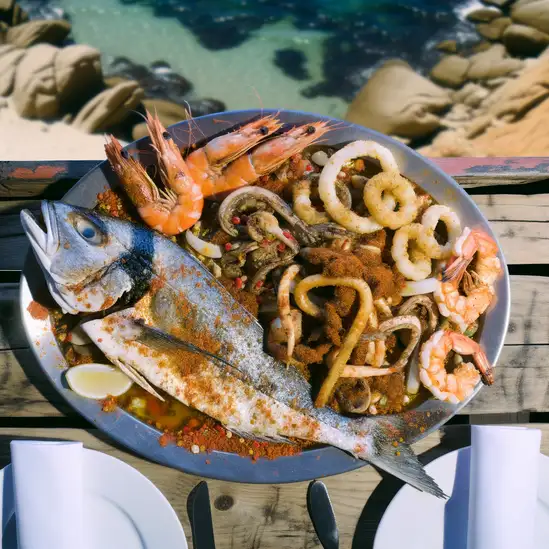

A variety of fresh seafood, including grilled fish, shrimp, and calamari, often served with lemon and a side of tartar sauce.

A refreshing salad made with diced tomatoes, cucumbers, onions, peppers, and topped with crumbled white cheese and parsley.

A traditional Bulgarian stew made with pork or chicken, vegetables, and spices, slow-cooked in a clay pot.

A savory pastry filled with cheese and eggs, wrapped in layers of thin dough and baked until golden brown.

Cabbage leaves stuffed with a mixture of rice and minced meat, often served with a side of yogurt.

A cold soup made from yogurt, cucumbers, garlic, and dill, perfect for hot summer days.

Fresh mussels cooked with garlic, parsley, and white wine, often served as an appetizer.
 Handmade Bulgarian Pottery - Traditional ceramics with intricate designs, often featuring vibrant colors and patterns unique to the region.Rose Oil Products - Bulgaria is famous for its rose oil, and you can find perfumes, soaps, and cosmetics made from locally sourced roses.Wooden Carvings - Beautifully crafted wooden souvenirs, such as figurines, icons, or decorative plates, showcasing Bulgarian craftsmanship.Nesebar Wine - Locally produced wine from the region, often made from indigenous grape varieties, perfect for wine enthusiasts.Traditional Embroidered Textiles - Handwoven tablecloths, napkins, or clothing with traditional Bulgarian embroidery patterns.Sea-Themed Jewelry - Unique jewelry inspired by the Black Sea, such as necklaces, bracelets, or earrings made with seashells or sea glass.Miniature Replicas of Nesebar's Churches - Small models of the city's iconic medieval churches, such as the Church of Christ Pantocrator.Bulgarian Spices and Herbs - Locally sourced spices like paprika, savory, or blends used in traditional Bulgarian cuisine.Painted Icons - Religious icons painted in the traditional Orthodox Christian style, reflecting the city's rich spiritual heritage.Black Sea Salt and Cosmetics - Products made from Black Sea salt, such as bath salts, scrubs, or skincare items, known for their therapeutic properties.


If you ever find yourself wandering through Obshtina Varna,you’ll immediately notice a lively,sun-kissed energy that feels both timeless and refreshingly modern. The city hums with the gentle rhythm of waves from the nearby Black Sea,mingling with the chatter of locals sipping strong coffee at cozy street-side cafes. There’s a salty breeze that carries the scent of blooming jasmine and fresh pastries,inviting you to slow down and soak it all in. Walking through the streets,you’ll catch glimpses of colorful markets bursting with fresh fruit,handmade crafts,and the warm smiles of people proud of their rich heritage.
Varna’s character is a beautiful blend of old and new — ancient Roman ruins nestle quietly beside vibrant art galleries and buzzing nightlife spots. The city feels alive with stories,from the echoes of history in its museums to the lively folk music drifting from taverns at dusk. You can taste the sea in every bite of freshly grilled fish,paired with a glass of chilled Bulgarian wine that feels like a toast to the day’s adventures.
What really makes Varna special is how effortlessly it invites you to be part of its story. Whether you’re wandering along the sunlit beaches,exploring the lush parks,or chatting with locals who are eager to share their favorite spots,there’s a warmth here that stays with you long after you leave. It’s a place where every corner has a story,and every moment feels like a new discovery.
If you ever find yourself wandering through Bulgaria,make sure to carve out some time for Obshtina Burgas. There’s this unmistakable warmth in the air here—not just from the sun,but from the people and the pace of life. Imagine strolling along the Black Sea coast,where the salty breeze mingles with the scent of blooming jasmine and fresh seafood grilling nearby. The city hums with a relaxed energy,a blend of old-world charm and lively modernity that makes you want to slow down and soak it all in.
Walking through Burgas,you’ll notice the colorful street art splashed across walls,the chatter of locals at bustling markets,and the gentle lapping of waves against the shore. The city’s character is a beautiful mix of seaside calm and cultural vibrancy. You can sip on a rich,dark coffee in a cozy café,then wander over to the Sea Garden park,where the greenery meets the horizon and the sound of children playing blends with distant music from open-air concerts.
What really makes Burgas stand out is how effortlessly it balances tradition and freshness. You’ll find ancient churches nestled beside trendy galleries,and family-run taverns serving up hearty Bulgarian dishes that taste like home. It’s a place where every corner invites you to pause,listen,and savor the moment. Trust me,once you’ve felt the gentle pulse of Burgas,you’ll carry a little piece of its soul with you long after you leave.
A major cultural and historical hub,Istanbul offers a unique blend of Europe and Asia,with iconic landmarks like the Hagia Sophia,the Blue Mosque,and the Bosphorus Strait.
ExploreAthens feels like stepping into a living storybook where ancient history and vibrant modern life dance together effortlessly. The moment you wander through its sun-drenched streets,you’re greeted by the warm hum of chatter spilling from cozy cafés,the scent of freshly baked bread mingling with salty sea air. The city’s heartbeat is unmistakable—whether it’s the clinking of glasses in a bustling taverna or the distant echo of footsteps climbing the Acropolis at sunset.
What makes Athens truly captivating is its raw,unpolished charm. You’ll find crumbling ruins nestled beside colorful street art,and locals who greet you with genuine smiles and a generous spirit. The city pulses with creativity—from lively markets where vendors call out their freshest olives and figs,to rooftop bars where you sip ouzo while the Parthenon glows golden against the twilight sky.
Athens invites you to slow down and savor its layers. Taste the tang of lemon in a perfectly grilled souvlaki,feel the rough stone of ancient columns beneath your fingertips,and listen to the mix of languages and laughter that fills the air. It’s a place where every corner tells a story,and every meal feels like a celebration. If you want a city that’s alive with history yet buzzing with contemporary energy,Athens will wrap you in its warm,timeless embrace.
A vibrant city with a rich history,Thessaloniki is known for its Byzantine architecture,lively nightlife,and its role as a gateway to the Halkidiki peninsula and its stunning islands.
ExploreIf you ever find yourself wandering through the sun-drenched streets of Dubrovnik,you’ll immediately feel like you’ve stepped into a living storybook. The city’s ancient stone walls rise proudly against the sparkling Adriatic,and as you stroll along the marble-paved Stradun,the salty sea breeze mingles with the scent of fresh pine and blooming bougainvillea. There’s a rhythm here—a gentle hum of life where history and modern charm dance together effortlessly.
Dubrovnik’s character is woven into every corner:the clatter of café cups,the murmur of locals chatting in cozy taverns,and the distant call of seagulls overhead. You can almost taste the city in the air—briny and fresh,with hints of grilled seafood and ripe figs from the markets. Sitting at a seaside restaurant,watching the sun dip behind the fortress walls,you’ll savor dishes bursting with Mediterranean flavors,paired with a glass of crisp Croatian white wine.
What makes Dubrovnik truly special is how it balances its rich past with a vibrant present. The city’s narrow alleys invite exploration,revealing tucked-away galleries,artisan shops,and lively squares where music spills out into the streets. Whether you’re tracing the footsteps of ancient mariners or simply soaking up the golden light on a quiet terrace,Dubrovnik feels like a warm embrace—inviting,timeless,and utterly unforgettable.

Skimming devices may be installed on ATMs to steal card information, especially in tourist-heavy areas.
Tourists may be offered fake or non-existent accommodations online, only to find out upon arrival that the property does not exist or is already occupied.
Some operators may charge excessive fees for beach chairs and umbrellas, or demand payment for areas that are supposed to be free.
Currency exchange offices may advertise attractive rates but include hidden fees or give less favorable rates than promised.
Unlicensed individuals may pose as tour guides and charge high fees for subpar or inaccurate tours.
Tourists renting jet skis or other water sports equipment may be falsely accused of damaging the equipment and forced to pay hefty fines.
Some taxi drivers may charge tourists inflated fares or refuse to use the meter, especially for short distances or trips to popular tourist spots.
Crowded tourist areas, beaches, and public transport are hotspots for pickpockets targeting distracted tourists.
Some restaurants may add extra items to the bill or include hidden service charges without informing the customer.
Vendors may sell counterfeit goods, low-quality items, or charge exorbitant prices for souvenirs and beach accessories.

The possession, use, and distribution of illegal drugs are strictly prohibited in Obshtina Nesebar, as in the rest of Bulgaria. Penalties for drug-related offenses can be severe, including fines and imprisonment. Tourists should avoid any involvement with illegal substances to ensure they do not face legal consequences.

In Obshtina Nesebar, Bulgaria, smoking is generally prohibited in all indoor public places, including restaurants, bars, and cafes. There are designated smoking areas in some establishments, but these are strictly regulated. Smoking is also banned in certain outdoor public spaces, such as playgrounds and sports facilities. Tourists should look for 'No Smoking' signs and adhere to local regulations to avoid fines.

Vaping is subject to similar regulations as smoking in Obshtina Nesebar. It is prohibited in indoor public places and certain outdoor areas. Designated vaping areas may be available in some locations, but it is important to follow posted signs and local rules. Tourists should be mindful of where they vape to avoid penalties.
 22.6 °C / 72.68 °F
 29301
29301 4/5
4/5 Bulgarian Lev (BGN)
What are other people saying about Obshtina Nesebar?
Recent Social posts about Obshtina Nesebar
There is nothing to show you for now.