


If you ever find yourself craving a breath of fresh mountain air mixed with a touch of old-world charm,Pahalgam is where you need to be. Nestled in the lush valleys of Kashmir,this town feels like a gentle escape from the rush of everyday life. The moment you step out,you’re greeted by the crisp,pine-scented breeze and the soft murmur of the Lidder River weaving through the landscape. It’s the kind of place where time slows down,inviting you to just be present and soak in the serene beauty around you. Walking through Pahalgam,you’ll notice the vibrant colors of local shawls and handwoven carpets fluttering in the market stalls,while the friendly chatter of Kashmiri vendors adds a warm,human rhythm to the air. The aroma of freshly brewed kahwa tea,spiced with saffron and cardamom,drifts from cozy teahouses,tempting you to pause and savor a cup. And if you’re lucky,you might catch the distant sound of traditional folk music,echoing softly from a nearby gathering. What makes Pahalgam truly special is its blend of nature and culture. Beyond the stunning landscapes—rolling meadows,snow-capped peaks,and dense forests—there’s a deep-rooted sense of community and tradition. Whether you’re trekking to the ancient Aru village or simply watching shepherds guide their flocks across emerald fields,you feel connected to a way of life that’s both timeless and welcoming. Trust me,Pahalgam isn’t just a place to visit; it’s a place that stays with you long after you leave.
 We are reviewing this city information
The information on this page is currently being reviewed by Tripkliq and should be used as a guide only


Eng word: Hello
Eng pronunciation: Salaam
Local language: سلام
Eng word: Goodbye
Eng pronunciation: Khuda Hafiz
Local language: خدا حافظ
Eng word: Thank you
Eng pronunciation: Shukriya
Local language: شکریہ
Eng word: How much
Eng pronunciation: Kith
Local language: کِتھٕ
Eng word: Toilet
Eng pronunciation: Beet-ul-Khala
Local language: بیت الخلاء
Eng word: Help me
Eng pronunciation: Mye chhe bachav
Local language: میہٕ چھَ بَچاو
Eng word: Yes
Eng pronunciation: Hah
Local language: ہَہ
Eng word: No
Eng pronunciation: Na
Local language: نَ
Eng word: Excuse me
Eng pronunciation: Maaf Karna
Local language: معاف کرنہ
Pahalgam was historically a significant stop on the ancient trade route between India and Central Asia, facilitating the exchange of goods and culture.
The name 'Pahalgam' translates to 'Village of Shepherds' in Kashmiri, reflecting its origins as a pastoral community.
Pahalgam serves as the starting point for the annual Amarnath Yatra, a significant pilgrimage for Hindus, attracting thousands of devotees each year.
During the Mughal era, Pahalgam was a favored retreat for Mughal emperors who were captivated by its natural beauty and serene environment.
In the 19th century, Pahalgam became a popular summer retreat for British officials seeking to escape the heat of the Indian plains.
Pahalgam has been a popular location for Bollywood film shoots since the 1960s, contributing to its fame and allure among tourists.
The Lidder River, which flows through Pahalgam, has been a lifeline for the region, supporting agriculture and providing a picturesque setting for visitors.
Pahalgam is known for its traditional Kashmiri handicrafts, including Pashmina shawls and hand-woven carpets, which have been crafted here for centuries.
The nearby Overa-Aru Wildlife Sanctuary, established in 1981, is home to a variety of flora and fauna, including the endangered Hangul deer, making it a significant conservation area.


 TrainThere is no train station in Pahlgam, so taking a train is not an option for getting from the airport to the main area. You will need to rely on other modes of transportation like taxis or ride sharing services.
 TaxiTaking a taxi is the most convenient and quickest way to get from the airport to the main area in Pahlgam. Taxis are readily available outside the airport and can take you directly to your destination.Ride ShareRide sharing services like Uber and Ola are also available in Pahlgam. You can book a ride through the app and share the cost with other passengers heading in the same direction.Airport Shuttle BusThere is no direct airport shuttle bus service from the airport to the main area in Pahlgam. However, you can take a local bus or hire a taxi from the airport to reach the main area.


In Pahlgam, the most common Power Adaptor is Type C, Type D, Type M.








 No luggage lockers available at the airport
 No luggage lockers available at the airport
 Price not specified
 Opening hours: at the airportNo information available about luggage lockers at the bus standLocation not specifiedPrice not specifiedOpening hours: about luggage lockers at the bus standNo information available about luggage lockers at the railway stationLocation not specifiedPrice not specifiedOpening hours: about luggage lockers at the railway station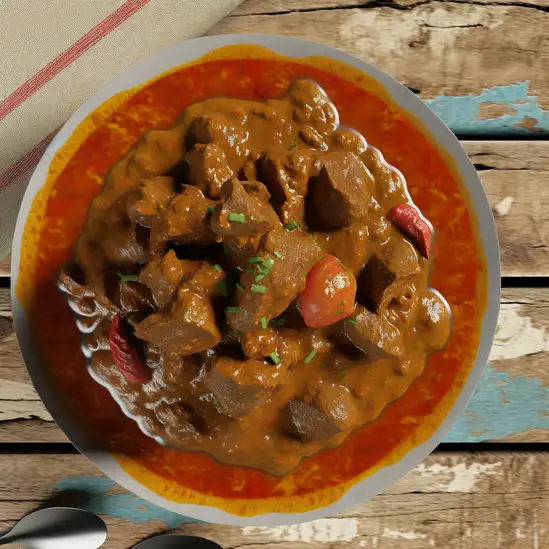

A flavorful lamb dish cooked with a blend of spices, yogurt, and sometimes tomatoes, known for its rich red color and aromatic taste.
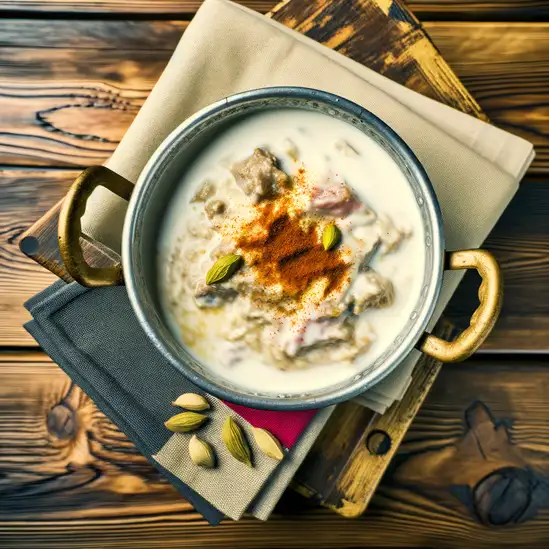
A traditional Kashmiri yogurt-based curry, typically made with chicken or mutton, flavored with spices like cardamom and cinnamon.

A rich meatball dish made from minced mutton, cooked in a creamy yogurt sauce, often served during special occasions.

Potatoes cooked in a rich gravy made with yogurt, spices, and sometimes nuts, offering a creamy and spicy flavor.
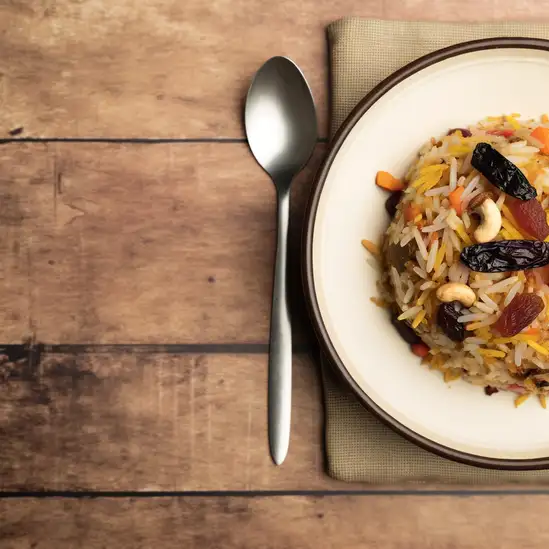
A fragrant rice dish cooked with saffron, nuts, and dried fruits, often served as a side with meat dishes.
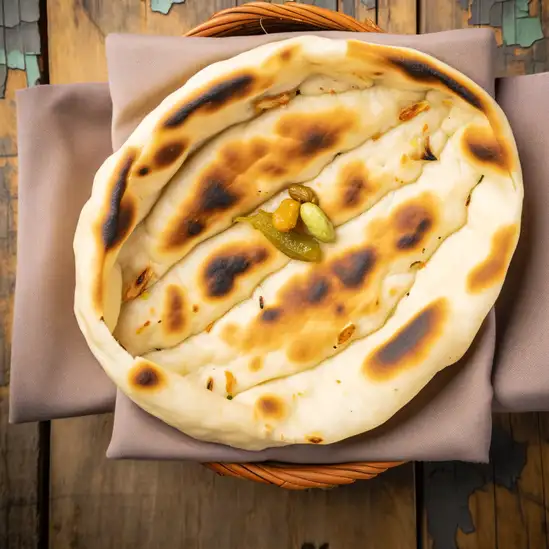
A type of leavened bread, often stuffed with ingredients like nuts and dried fruits, perfect for pairing with curries.
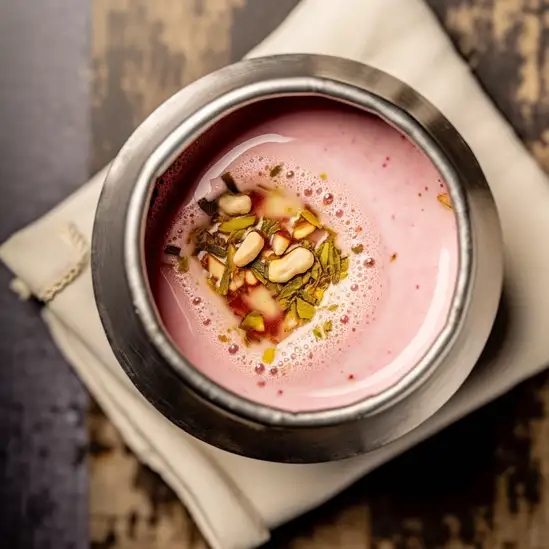
A traditional pink tea made with green tea leaves, milk, and spices, often garnished with crushed nuts.
 Kashmiri Pashmina ShawlsHandmade Woolen CarpetsKahwa TeaWalnut Wood CarvingsSaffron (Kesar)Dry Fruits (Walnuts, Almonds, Apricots)Kashmiri Papier-Mâché ItemsTraditional Kashmiri JewelryHandmade Willow BasketsLocal Spices (Shahi Jeera, Kashmiri Red Chili)


If you ever find yourself craving a place where time seems to slow down and nature’s beauty wraps around you like a warm shawl,Srinagar should be at the top of your list. This city,nestled in the heart of Kashmir,feels like stepping into a living painting—where the Dal Lake mirrors the sky and the snow-capped Himalayas stand guard in the distance. The air carries a crisp freshness,tinged with the subtle fragrance of chinar leaves and blooming saffron,inviting you to breathe deeply and just be.
Wandering through Srinagar’s bustling bazaars,you’ll hear the lively chatter of locals bargaining over handwoven pashmina shawls and intricate papier-mâché crafts. The colors here are intoxicating—vibrant rugs draped over shop fronts,the glint of silver jewelry,and the rich hues of Kashmiri spices piled high in market stalls. And then there’s the food:imagine savoring a steaming plate of rogan josh or tasting the delicate sweetness of kahwa tea,its cardamom and cinnamon notes warming you from the inside out.
What truly makes Srinagar unforgettable is its blend of serenity and soul. Whether you’re drifting lazily on a shikara boat across the lake at sunset or exploring ancient Mughal gardens bursting with tulips and fountains,the city invites you to slow down and soak in its gentle rhythms. It’s a place where every corner tells a story,and every moment feels like a quiet celebration of life’s simple,beautiful pleasures.
Leh feels like stepping into a different world—one where the air is crisp and thin,and the mountains stand like ancient guardians all around you. The moment you arrive,there’s this quiet energy,a mix of peaceful solitude and vibrant life. Walking through the narrow streets,you’ll hear the soft chatter of locals,the distant ringing of prayer bells,and the occasional flutter of colorful prayer flags dancing in the breeze. The scent of burning juniper and fresh yak butter tea fills the air,grounding you in the unique culture of this high-altitude town.
The architecture here is unlike anywhere else—mud-brick houses with flat roofs,monasteries perched on hillsides,and the imposing Leh Palace watching over the town like a silent storyteller. The people are warm and welcoming,their smiles genuine,inviting you to slow down and soak in their way of life. You’ll find yourself savoring momos stuffed with spiced meat or vegetables,and sipping salty butter tea that’s surprisingly comforting in the cold mountain air.
What really makes Leh unforgettable is how it blends rugged natural beauty with deep spiritual roots. Whether you’re wandering through the bustling market,exploring ancient gompas,or just sitting quietly watching the sunset paint the Himalayas in shades of gold and pink,there’s a sense of timelessness here. It’s a place that invites you to breathe deeply,listen closely,and feel connected—to the land,the people,and something quietly profound within yourself.
Imagine stepping into a place where the sun kisses your skin,the salty breeze carries the laughter of beachside chatter,and every corner hums with a laid-back yet vibrant energy—that’s North Goa for you. It’s a lively patchwork of golden sands,swaying palms,and colorful shacks where the aroma of sizzling seafood mingles with the faint scent of frangipani flowers. Whether you’re wandering through the bustling markets of Anjuna or watching the sun dip behind the waves at Calangute,there’s a rhythm here that feels both timeless and alive.
What really makes North Goa special is its blend of cultures and carefree spirit. You’ll find Portuguese-influenced architecture standing proudly alongside lively street art,while the music—from mellow acoustic sets to pulsing electronic beats—drifts through the air,inviting you to join in. The locals,warm and welcoming,add a genuine charm that makes you feel like you’re part of a big,sun-soaked family.
And the flavors! Freshly caught fish grilled with spices that tease your taste buds,tangy Goan curries,and sweet,creamy feni that’s perfect for toasting to new adventures. As night falls,the beach transforms into a playground of bonfires and music,where stories flow as freely as the ocean breeze. North Goa isn’t just a destination; it’s a feeling—a place that stays with you long after you’ve left.
Imagine stepping into a city that pulses with energy,where every street corner hums with life and stories waiting to be discovered—that’s Mumbai for you. The moment you arrive,you’re wrapped in a vibrant tapestry of sounds:the rhythmic clatter of local trains,the lively chatter of street vendors,and the distant call of temple bells blending with honking rickshaws. The air carries a mix of spices from roadside stalls,mingling with the salty breeze from the Arabian Sea,creating an intoxicating scent that’s uniquely Mumbai.
Walking through its bustling lanes,you’ll see a kaleidoscope of colors—bright saris fluttering in the wind,intricate colonial architecture standing proudly beside sleek skyscrapers,and street art that tells tales of the city’s soul. Mumbai’s character is a beautiful contradiction:it’s fast-paced yet welcoming,chaotic yet deeply rooted in tradition. The city’s heartbeat is its people—dreamers,artists,and entrepreneurs who wear their resilience and warmth like a badge of honor.
And then there’s the food—oh,the food! From the tangy,spicy street-side vada pav that feels like a warm hug,to the rich,aromatic biryanis and fresh seafood by the sea,every bite is a celebration of flavors. Mumbai invites you to lose yourself in its maze of neighborhoods,each with its own rhythm and charm,promising moments of surprise and connection. It’s not just a place to visit; it’s a city that stays with you long after you’ve left.
If you ever find yourself craving a place where the ocean breeze carries stories of adventure and the rhythm of waves sets your pace,Port Blair is where you want to be. This city feels like a gentle invitation to slow down and soak in the raw beauty of island life. The moment you step off the ferry or plane,the salty air mingled with the scent of tropical flowers wraps around you like a warm hug. Palm trees sway lazily against a backdrop of turquoise waters,and the chatter of locals blends with the distant call of seabirds,creating a soundtrack that’s both lively and soothing.
Port Blair isn’t just a gateway to the Andaman Islands; it’s a place where history whispers through the walls of the Cellular Jail,a somber yet inspiring reminder of India’s past. But beyond its historical weight,the city pulses with a laid-back charm—colorful markets burst with fresh seafood,exotic fruits,and spices that tease your senses. Grab a plate of freshly caught fish grilled with local herbs,and you’ll taste the ocean’s essence in every bite.
What makes Port Blair truly special is its blend of cultures and the warmth of its people. You’ll find a mix of indigenous traditions and influences from across India,all coexisting in a relaxed,welcoming vibe. Whether you’re wandering along Corbyn’s Cove Beach at sunset or chatting with fishermen mending their nets,there’s a genuine friendliness here that makes you feel like you belong. It’s a place that invites you to explore,reflect,and simply be.
Kochi,also known as Cochin,is a port city in Kerala famous for its backwaters,Chinese fishing nets,and nearby islands like Vypin and Willingdon. It is a cultural and historical hub with a tropical charm.
Explore
Activities like rafting, trekking, or camping may be offered at inflated prices, with operators taking advantage of tourists unfamiliar with standard rates.
Some local hotels or guesthouses inflate their prices during peak seasons, especially for tourists unfamiliar with standard rates.
Unlicensed or fake guides approach tourists, offering their services at a low cost but providing little value or misleading information about the area.
Vendors may sell fake or low-quality saffron and dry fruits at high prices, claiming they are authentic and locally sourced.
Tourists are often charged exorbitant rates for pony rides to nearby attractions like Baisaran or Aru Valley. Some operators may also demand additional tips or fees mid-ride.
Locals dressed in traditional attire may offer to pose for photos and then demand a high fee afterward, catching tourists off guard.
Tourists may be overcharged for shikara (boat) rides on nearby lakes or rivers, with operators quoting inflated prices or adding hidden fees.
Taxi drivers may take tourists on longer routes or to unnecessary stops to increase the fare, or they may insist on visiting shops where they get commissions.

The use, possession, and trafficking of drugs are strictly prohibited in Pahalgam under the Narcotic Drugs and Psychotropic Substances (NDPS) Act,1985. Penalties for drug-related offenses are severe and can include long-term imprisonment and hefty fines. Tourists should avoid any involvement with illegal drugs to prevent legal issues.

In Pahalgam, as in the rest of India, smoking is prohibited in public places such as restaurants, hotels, public transport, and parks. The Cigarettes and Other Tobacco Products Act (COTPA) of 2003 regulates smoking in public places. Violators can be fined. Tourists should look for designated smoking areas and be mindful of local regulations to avoid penalties.

Vaping is subject to similar regulations as smoking in Pahalgam. The Indian government has imposed a ban on the production, import, sale, and advertisement of e-cigarettes and vaping products since September 2019. Tourists should be aware that carrying or using vaping devices can lead to legal consequences, including fines and imprisonment.
 16.9 °C / 62.42 °F
 -
- 4/5
4/5 Indian Rupee (INR)
What are other people saying about Pahlgam?
Recent Social posts about Pahlgam
There is nothing to show you for now.