


Shimoda feels like stepping into a gentle embrace of history and sea breeze all at once. The moment you arrive,there’s this laid-back rhythm to the town—waves softly crashing against the harbor,fishermen chatting as they mend their nets,and the scent of salty air mingling with fresh grilled seafood wafting from cozy seaside eateries. It’s a place where time slows down just enough for you to notice the little things:the vibrant colors of fishing boats bobbing in the water,the delicate cherry blossoms in spring,and the warm smiles of locals who seem genuinely happy to share their slice of coastal life. Walking through Shimoda’s streets,you’ll catch glimpses of its rich past—this was the first Japanese port to open to the West in the 1850s,and that history still hums beneath the surface. You can almost hear the whispers of old sailors and traders as you explore the charming old town,with its wooden buildings and narrow alleys. The city’s culture feels deeply connected to the ocean,from the fresh sashimi that melts in your mouth to the lively festivals celebrating the sea’s bounty. What really makes Shimoda special is how it balances peaceful seaside charm with a sense of adventure. Whether you’re soaking up the sun on Shirahama Beach,hiking nearby trails with panoramic views,or savoring a cup of matcha in a quiet teahouse,there’s a warmth here that invites you to slow down,breathe deeply,and simply be present. It’s the kind of place that stays with you long after you’ve left.
 We are reviewing this city information
The information on this page is currently being reviewed by Tripkliq and should be used as a guide only


Eng word: Hello
Eng pronunciation: Konnichiwa
Local language: こんにちは
Eng word: Goodbye
Eng pronunciation: Sayōnara
Local language: さようなら
Eng word: Thank you
Eng pronunciation: Arigatō
Local language: ありがとう
Eng word: How much
Eng pronunciation: Ikura
Local language: いくら
Eng word: Toilet
Eng pronunciation: Toire
Local language: トイレ
Eng word: Help me
Eng pronunciation: Tasukete
Local language: 助けて
Eng word: Yes
Eng pronunciation: Hai
Local language: はい
Eng word: No
Eng pronunciation: Iie
Local language: いいえ
Eng word: Excuse me
Eng pronunciation: Sumimasen
Local language: すみません
Shimoda is historically significant as one of the first Japanese ports to open to Western trade in the mid-19th century. The Treaty of Kanagawa, signed in 1854, allowed American ships to dock at Shimoda, marking the end of Japan's period of isolation.
Named after Commodore Matthew Perry, Perry Road is a picturesque street in Shimoda that commemorates the arrival of Perry's Black Ships in 1854. The road is lined with charming old buildings, cafes, and shops, making it a popular spot for tourists.
Ryosen-ji Temple is where the Treaty of Amity and Commerce between Japan and the United States was signed in 1858. The temple grounds feature a museum with artifacts related to this historic event.
Shimoda Park is a beautiful location that offers panoramic views of the city and the sea. The park is also home to the Shimoda Aquarium and is a great place to learn about the local marine life.
Gyokusen-ji Temple served as the first American consulate in Japan. The temple grounds include a small museum that displays historical documents and artifacts related to the early interactions between Japan and the United States.
The Shimoda Floating Aquarium is a unique attraction located in Shimoda Bay. It features a variety of marine life and offers interactive experiences, making it a fun and educational destination for families.
The Shimoda Ropeway offers a scenic ride to the top of Mount Nesugata, providing stunning views of Shimoda and the surrounding coastline. At the summit, visitors can explore the Nesugata-yama Park and its beautiful gardens.
The Shimoda History Museum provides an in-depth look at the city's rich history, including its role in opening Japan to the West. The museum features exhibits on local culture, historical events, and notable figures.
Tatadohama Beach is one of Shimoda's most popular beaches, known for its clear waters and beautiful sandy shores. It is a great spot for swimming, surfing, and enjoying the natural beauty of the area.


 TrainIf you prefer public transportation, you can take a train from the airport area to the main place in Shimoda. The train station is located near the airport and you can easily catch a train to reach your destination. This option may take longer than a taxi or ride-sharing service.TaxiTaking a taxi is the most convenient option to get from the airport area to the main place in Shimoda. Taxis are readily available outside the airport and will take you directly to your destination. However, it can be a bit expensive compared to other options.Ride ShareRide-sharing services like Uber or Lyft are also available in Shimoda. You can book a ride through the app and get picked up from the airport area to the main place. This option can be more cost-effective than taking a taxi.Airport Shuttle BusThe airport shuttle bus is a budget-friendly option to get from the airport area to the main place in Shimoda. The bus operates on a fixed schedule and will drop you off at designated stops in the city.


In Shimoda, the most common Power Adaptor is Type A, Type B.







 Shimoda Airport has luggage lockers available for travelers
 Shimoda Airport has luggage lockers available for travelers
 Price not specified
 Opening hours: for travelers, Prices range from 300 to 500 yen depending on the size of the lockerJR East provides luggage lockers at Shimoda StationLocation not specifiedPrice not specifiedOpening hours: for use during station operating hours, Prices vary depending on the size of the locker,starting from 300 yen for small lockersThe Shimoda Tourist Information Center offers luggage storage services for touristsLocation not specified500 yen per dayOpening hours: 9:00 AM to 5:00 PM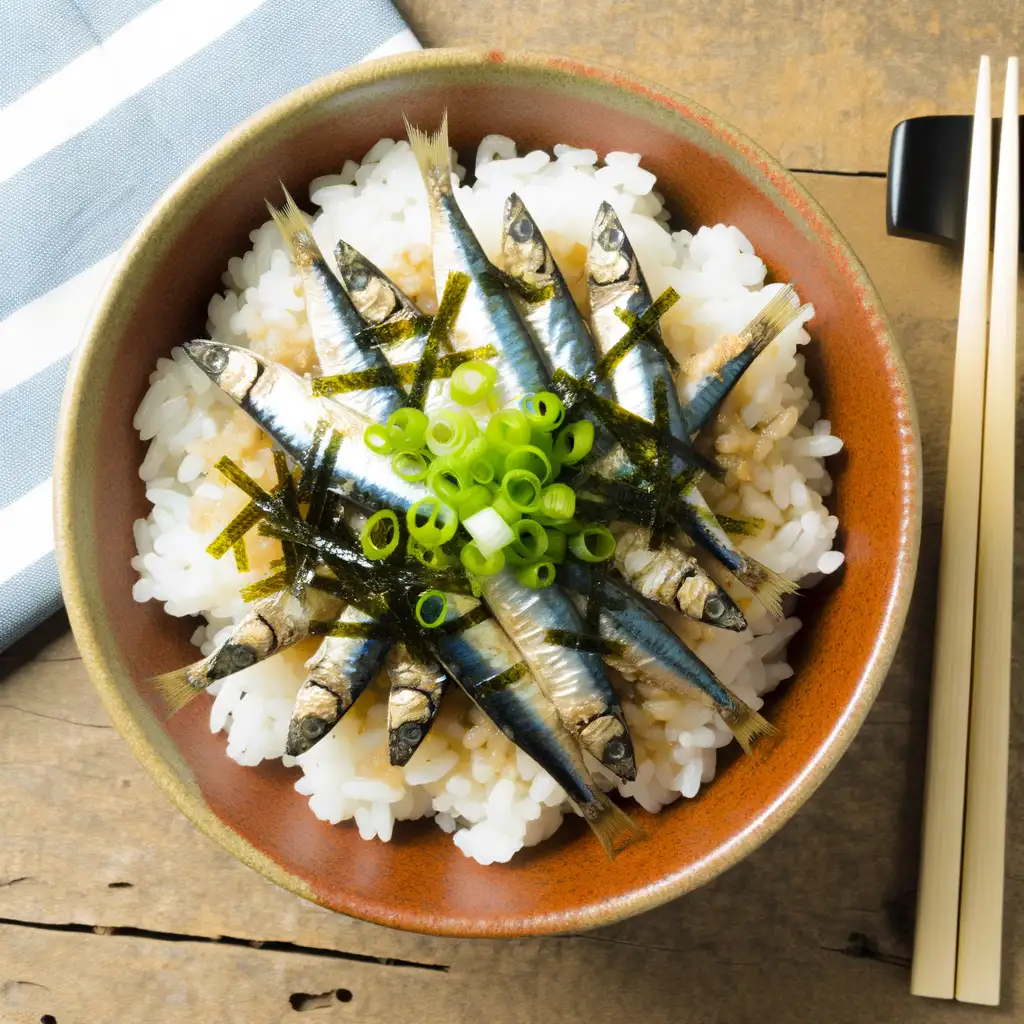

A rice bowl topped with fresh shirasu (whitebait), often served raw or lightly boiled, and garnished with green onions and wasabi.

Dried, fermented, and smoked skipjack tuna, often used as a topping or seasoning in various dishes, adding a rich umami flavor.
Tiny, pink shrimp that are often served in various forms, including tempura or as a topping for rice and noodles, known for their sweet flavor.
Fresh sushi made with local seafood, showcasing the region's rich marine resources, often featuring seasonal catches.
Fresh squid sashimi, served with soy sauce and wasabi, highlighting the freshness of the local catch.
 Shimoda Black Ship (Kurofune) Souvenirs - Miniature models, keychains, or magnets inspired by the historic black ships that symbolize Shimoda's role in Japan's opening to the world.Perry Road-Themed Memorabilia - Items like postcards, coasters, or artwork featuring the picturesque Perry Road, a historic street in Shimoda.Shimoda Onsen Bath Salts - Packaged bath salts inspired by the local hot springs, allowing recipients to enjoy a relaxing onsen experience at home.Izu Wasabi Products - Fresh wasabi, wasabi paste, or wasabi-flavored snacks, as the Izu Peninsula is known for its high-quality wasabi.Shimoda Sea Glass Jewelry - Unique handmade jewelry crafted from sea glass collected from Shimoda's beaches.Local Sake or Umeshu - Specialty sake or plum wine from Shimoda or the Izu Peninsula, often featuring beautiful packaging.Kinmedai (Golden Eye Snapper) Snacks - Dried or preserved snacks made from the region's famous golden eye snapper fish.Hina Dolls or Decorations - Traditional Japanese dolls or ornaments inspired by Shimoda's annual Hina Matsuri (Doll Festival).Izu Peninsula Pottery - Locally crafted ceramics or pottery that reflect the artistry of the region.Shimoda-Themed Ukiyo-e Prints - Traditional Japanese woodblock prints featuring Shimoda's scenic landscapes or historical events.

Tokyo feels like stepping into a living,breathing mosaic where tradition and futurism dance side by side. The moment you arrive,you’re swept up in a vibrant energy that hums through neon-lit streets and quiet temple gardens alike. Imagine the buzz of Shibuya Crossing,where hundreds of people move in perfect chaos,the air tinged with the scent of sizzling street food and fresh cherry blossoms in spring. It’s a city that never quite sleeps,yet somehow offers pockets of serene calm if you know where to look.
Walking through Tokyo,you’ll hear a symphony of sounds—from the rhythmic clatter of trains to the soft murmur of locals chatting over steaming bowls of ramen. The city’s character is a fascinating blend of meticulous order and playful creativity. You can find centuries-old shrines nestled between sleek skyscrapers,and quirky themed cafes that feel like stepping into another world. The taste of Tokyo is unforgettable too—whether it’s the delicate umami of sushi at a tiny neighborhood spot or the comforting warmth of matcha-flavored sweets.
What makes Tokyo truly unique is how it embraces contrasts without missing a beat. It’s a place where you can lose yourself in sprawling shopping districts,then find quiet reflection in a moss-covered garden. The people,warm and respectful,add a layer of kindness that makes the city feel welcoming despite its size. If you’re curious,open-hearted,and ready to explore,Tokyo will surprise you at every turn and leave you with stories you’ll want to share again and again.

If you ever find yourself craving a perfect blend of history,nature,and a laid-back coastal vibe,Kamakura is where you want to be. The moment you step off the train,there’s this gentle hum of old Japan meeting the sea breeze—temples tucked between towering cedar trees,the distant crash of waves,and the soft chatter of locals and travelers alike. It’s the kind of place where time feels a little slower,inviting you to wander without a strict agenda.
Walking through Kamakura’s streets,you’ll catch the scent of incense drifting from ancient shrines,mingling with the salty tang of the nearby ocean. The city’s character is deeply rooted in its samurai past,but it’s also alive with the present—small cafes serving matcha and freshly baked sweets,artisans crafting delicate souvenirs,and surfers catching waves just a short bike ride away. The iconic Great Buddha statue stands serenely,a reminder of the city’s spiritual heart,while the lush hiking trails offer quiet moments surrounded by chirping birds and rustling leaves.
What really makes Kamakura special is how effortlessly it balances peaceful reflection with vibrant local life. Whether you’re savoring a bowl of shirasu-don (tiny whitebait over rice) at a seaside eatery or exploring the colorful hydrangeas in bloom during rainy season,there’s a warmth here that stays with you long after you leave. It’s a place that invites you to slow down,breathe deeply,and soak in the simple,beautiful rhythms of coastal Japan.
Yokohama has this effortlessly cool vibe that feels both vibrant and laid-back at the same time. Imagine strolling along a waterfront where the salty breeze mingles with the scent of fresh ramen and grilled seafood wafting from cozy street stalls. The city hums with life—kids laughing in parks,couples chatting over coffee in quirky cafes,and the distant chime of ships docking in the harbor. It’s a place where modern skyscrapers stand shoulder to shoulder with charming,old-school neighborhoods,creating a unique blend of past and present.
Walking through Yokohama’s Chinatown,you’re instantly enveloped in a kaleidoscope of colors and sounds—red lanterns swaying gently,the sizzle of dumplings on a hot griddle,and the chatter of vendors inviting you to try their specialties. Then,just a short walk away,the serene Sankeien Garden offers a peaceful escape with its winding paths,koi ponds,and traditional tea houses that invite you to slow down and savor the moment.
What really makes Yokohama special is how it embraces the sea. Whether you’re watching the sunset paint the sky from the Cosmo Clock 21 Ferris wheel or exploring the futuristic Minato Mirai district,there’s a constant feeling of openness and possibility. It’s a city that invites you to explore,taste,and breathe in its unique blend of energy and calm—making every visit feel like a fresh discovery.
If you’re craving a place where the ocean breeze mingles with the scent of pine and the gentle hum of distant waves,Atami-shi is where you want to be. This coastal city has a laid-back charm that instantly wraps around you like a warm blanket. Imagine strolling along the sun-dappled promenade,the salty air teasing your senses,while colorful fishing boats bob lazily in the harbor. Atami’s vibe is a perfect blend of old-school Japanese seaside town and a modern retreat,where traditional ryokans sit side-by-side with quirky cafes and art galleries.
What really makes Atami stand out is its natural hot springs—onsen culture here isn’t just a tourist thing,it’s woven into daily life. After a day exploring,sinking into a steamy outdoor bath with the ocean stretching out before you feels like a quiet celebration of the moment. The city’s streets buzz softly with locals and visitors alike,sharing laughter over fresh seafood caught that very morning. Speaking of food,don’t miss the chance to savor succulent kinmedai (golden eye snapper) or a bowl of piping hot seafood donburi,where every bite tastes like the sea itself.
Beyond the coast,Atami’s hills are dotted with lush gardens and art museums that invite you to slow down and soak in beauty from every angle. Whether you’re wandering through plum blossoms in spring or catching the sunset paint the sky in fiery hues,Atami feels like a place that encourages you to breathe deeply,live fully,and savor the simple joys of life.
A coastal city with stunning views of Mount Fuji,Numazu is a great base for exploring the Izu Peninsula and nearby islands like Awashima.
ExploreIf you ever find yourself in Shizuoka,get ready to be wrapped in a kind of calm energy that’s rare to find. It’s the kind of place where the air carries the fresh scent of pine and sea salt,and the distant silhouette of Mount Fuji looms like a silent guardian. Walking through the streets,you’ll hear the gentle hum of daily life—vendors chatting,the clink of tea cups,and the soft rustle of leaves in the breeze. It’s a city that feels alive but never rushed,inviting you to slow down and soak it all in.
What really makes Shizuoka stand out is its deep connection to nature and tradition. The tea fields stretch out like emerald waves,and tasting the local green tea here is a revelation—vibrant,earthy,and utterly refreshing. The markets buzz with fresh seafood,and you can almost taste the ocean in every bite of the sushi or grilled eel. There’s a warmth in the people too,genuine and welcoming,eager to share stories about their city’s rich history and culture.
Beyond the sensory delights,Shizuoka has this wonderful blend of old and new. You can explore ancient temples tucked away in quiet corners or stroll along modern waterfronts with views that make you pause. Whether you’re hiking up trails with panoramic vistas or simply sitting in a cozy café watching the world go by,Shizuoka invites you to experience Japan in a way that feels both authentic and refreshingly unhurried.

Tourists may book a hotel or guesthouse online, only to find the actual accommodation is of much lower quality than advertised.
Tourists renting beach chairs, umbrellas, or snorkeling gear may be charged excessive fees or asked to pay for pre-existing damages.
Shops may sell low-quality or counterfeit souvenirs at inflated prices, claiming they are authentic local crafts.
Unlicensed individuals may pose as tour guides, offering inaccurate or misleading information while charging high fees.
Some fishing tour operators may promise a great experience but provide subpar services or cut the trip short without refunds.
Some taxi drivers may take advantage of tourists by overcharging or taking unnecessarily long routes to increase the fare.
Certain restaurants may add hidden charges or inflate bills, especially if the menu prices are not clearly displayed in English.

Japan has very strict drug laws, and this includes Shimoda. The possession, use, or trafficking of illegal drugs is severely punished, with strict penalties including imprisonment and heavy fines. Even some medications that are legal in other countries may be restricted or require special permission in Japan. Tourists should be very cautious and ensure they are not carrying any prohibited substances.

In Shimoda, Japan, smoking is generally restricted in public places. There are designated smoking areas where you can smoke, but smoking on the streets and in public parks is often prohibited. Many restaurants, cafes, and hotels have non-smoking policies, although some may have designated smoking rooms or areas. It's important to look for signs indicating whether smoking is allowed or not.

Vaping is subject to similar regulations as smoking in Shimoda. Vaping in public places is generally restricted, and you should use designated smoking areas for vaping as well. Always check for signs and follow local rules to avoid fines or penalties.
 22.4 °C / 72.32 °F
 20400
20400 4/5
4/5 Japanese Yen (JPY)
What are other people saying about Shimoda?
Recent Social posts about Shimoda
There is nothing to show you for now.